Week 37
You’re full term. Prepare for labor with gentle movement, upright positions, breathing, and relaxation techniques. Learn when labor may start, signs to watch for, and when to call your provider.
Pregnancy Timeline
8 Week
9 Week
10 Week
11 Week
12 Week
13 Week
14 Week
15 Week
16 Week
17 Week
18 Week
19 Week
20 Week
21 Week
22 Week
23 Week
24 Week
25 Week
26 Week
27 Week
28 Week
29 Week
30 Week
31 Week
32 Week
33 Week
34 Week
35 Week
36 Week
37 Week
38 Week
39 Week
40 Week
41 Week
42 Week
43 Week
44 Week
45 Week
46
Your baby is the size of a small watermelon!
Your baby is now considered full term! It’s still healthy for them to stay in a little longer. Their brain will keep growing over the next two weeks.
Their tiny toenails now reach the tips of their toes.
You may start to feel your baby drop lower into your pelvis as they get ready for birth.
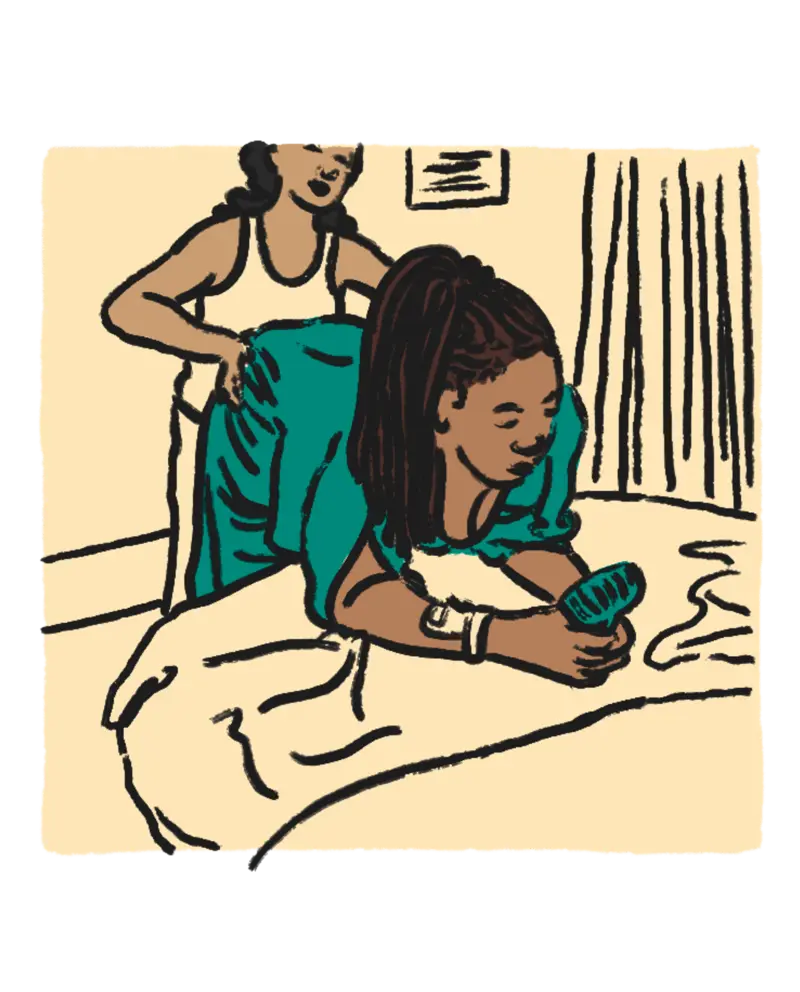
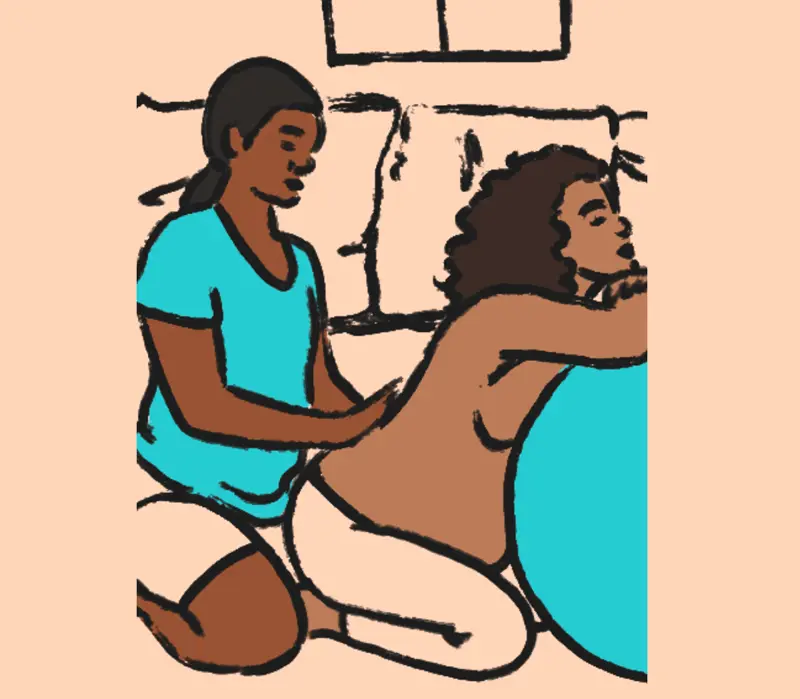
You’re full term! It's time to prepare for birth by learning gentle movement, upright positions, and breathing techniques that may help you cope and stay comfortable in labor.
If you're looking for more ways to support labor or have questions about pushing, we have more information about your options and tips that may help promote vaginal birth.
When Labor Starts
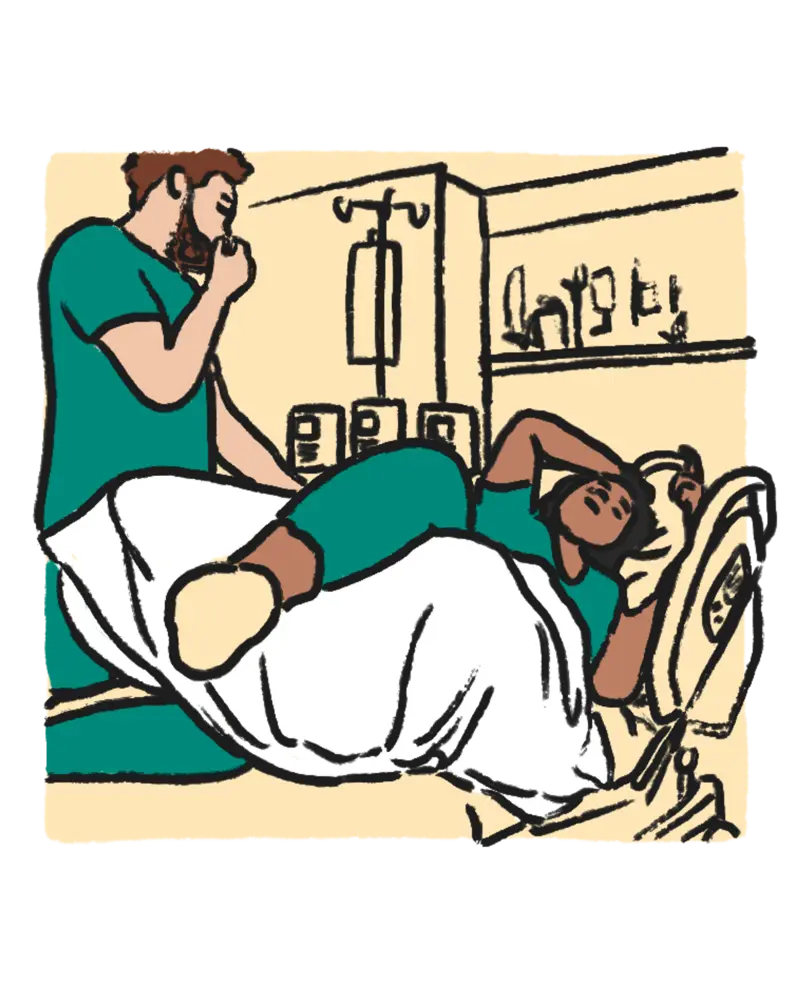
You can also get prepared by learning how to tell if you might be in labor—like regular, strong contractions, your water breaking, or bloody show—plus what’s normal in early labor and when to call your provider.
Explore our early labor toolkit for tips on what to do at home when labor starts. Your support people are also important when labor starts and throughout early labor, so talk to them about how they can best care for you.
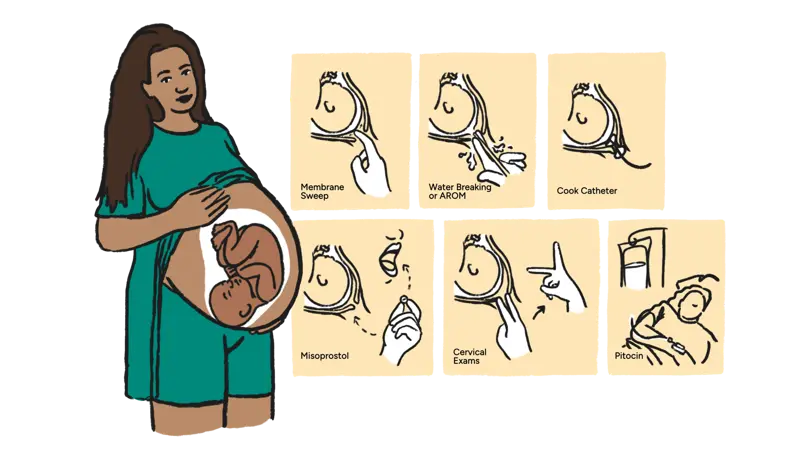
Inducing Labor
Have you heard of labor induction? You may have questions about what it is or common reasons it’s recommended. Ask your provider any questions you have, so you can make an informed choice.

 What To Expect During Labor

 Preparing For Birth