Labor and Birth
The day you have been waiting for is almost here! Whether this is your first baby or you have had a baby before, it is normal and important to have questions. You may wonder what will happen, how to prepare, and what choices you have during your birth and beyond.
This guide gives you the information you need to feel prepared and supported before, during, and after your stay at Boston Medical Center.
Check out our guidance and checklists to help you navigate your hospital visit as seamlessly and comfortably as possible.
We'll also give you some tips to manage labor, recognize signs and symptoms to watch for, and understand how to plan for and avoid possible complications.
Preparing For Birth Resources
Surprises are wonderful, except during labor and delivery. The following resources are here to help you feel ready and supported well before you go into labor.
Key topics in this section include:
- What to expect during labor and delivery
- How to get ready for your hospital stay
- What labor signs to watch for
- Getting to and from the hospital
In the weeks leading up to birth, plan where to go, what to bring, and who will be with you. Having a plan in place can make labor smoother, reduce stress, and help you focus on welcoming your baby with calm and confidence.
Recommended Resources

 Preparing For Birth
Labor & Delivery Places: What to Know about Where You’ll Go
When you come to BMC for care or to give birth, you’ll follow the signs to Labor and Delivery, or L&D. But did you know that there are a lot of different spaces that you might see as part of coming to L&D and after you give birth?
 Preparing For Birth
Labor and Delivery Frequently Asked Questions
At BMC, we want you to feel supported and informed every step of the way during your upcoming birth.

 What To Expect During Labor
How to Tell if You’re in Labor
If you think you’re in labor, call us right away! We can help you decide if you should come to the hospital or wait at home. Here are some signs that labor might be starting, and other signs to watch for.
More Preparing For Birth Resources





What To Expect During Labor Resources
Every labor experience is unique, but knowing what to expect can help you feel more confident and in control. These resources explain how labor begins, the options available for comfort and pain relief, and how your care team supports you through every stage of birth.
Key topics in this section include:
- Options for comfort and pain management
- Answers to frequently asked labor questions
- How to cope with contractions and stages of labor
- Information and guidance about C-sections
Each stage brings its own changes and emotions, from early contractions to active labor and delivery. With the right preparation, comfort strategies, and support from your team, you can navigate labor feeling calm, capable, and ready to meet your baby.
Recommended Resources
 What To Expect During Labor
Choices of Pain Medication in Labor
There are several ways to stay comfortable during labor and birth, and you can choose options with or without medication. If you choose pain medication, there are three major types: narcotics, nitrous oxide, and epidural anesthesia.
 What To Expect During Labor
Unmedicated Labor Options and Comfort Techniques
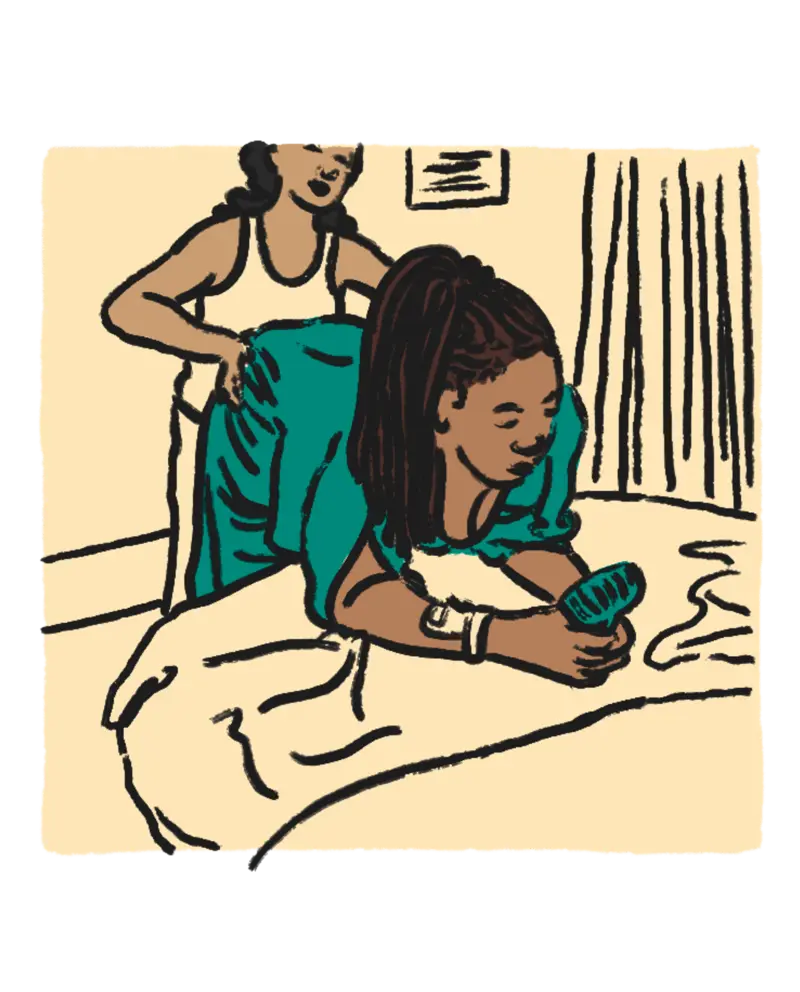
Most people who give birth will need some support to manage the pain of contractions. There are many safe and helpful ways to increase your chances of coping well throughout the process, such as childbirth education, doula support, and hydrotherapy.
 What To Expect During Labor
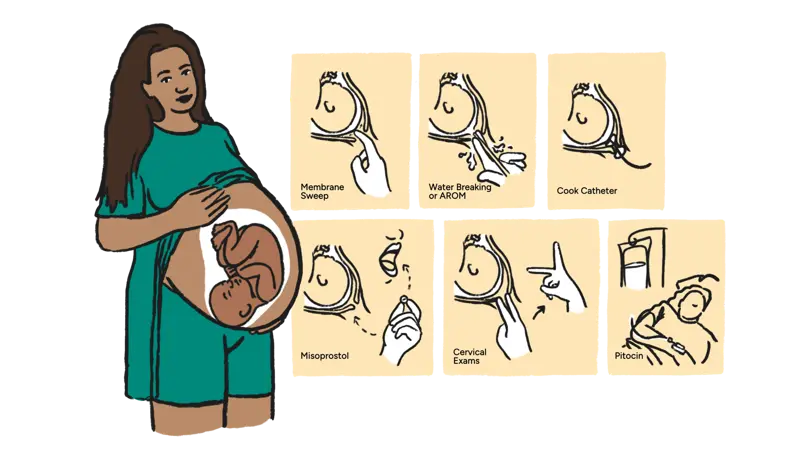
Everything You Need to Know About Labor Induction
Induction of labor is when medicines or treatments are used to start labor, before it starts on its own. Labor induction takes time and may be longer than you expect. It may feel different from labor that starts on its own.
 What To Expect During Labor
What to Expect in Labor and Birth
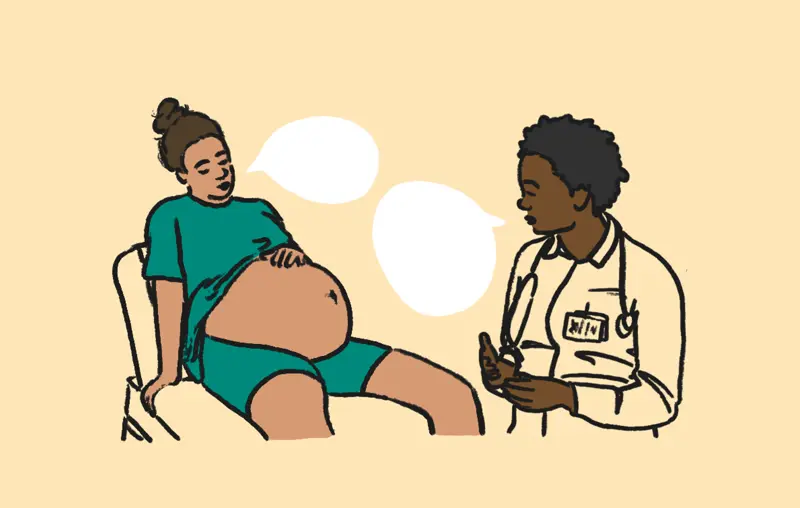
Every birth is unique, but knowing what typically happens during labor can help you feel more prepared and confident. Here’s what you may experience during early labor, active labor, transition, pushing and birth, and delivery of the placenta.
More What To Expect During Labor Resources


Complications Resources
Sometimes, challenges can arise during labor or after birth. Learning about possible complications and how they are managed can help you feel more in control of the situation if the unexpected happens.
Key topics in this section include:
- Possible complications during labor and delivery
- Ways providers respond to changes in labor
- What happens if your baby needs extra help after birth
- How to know what questions to ask ahead of time
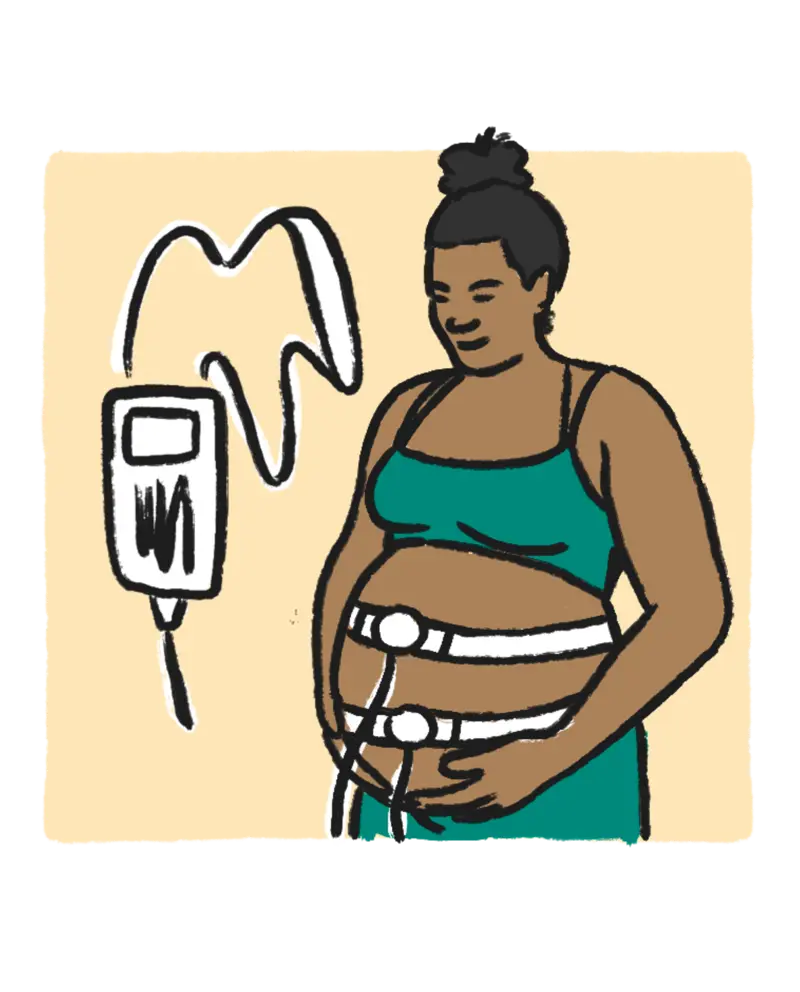
Even when things don’t go as planned, having all the information can help you feel calm and confident during labor. While most births progress safely, unexpected situations can happen. Your care team is trained to monitor you and your baby closely and respond quickly if extra support is needed, helping you stay informed, reassured, and focused on a safe delivery.
Recommended Resources
 Complications
Preparing for the Unexpected During Birth
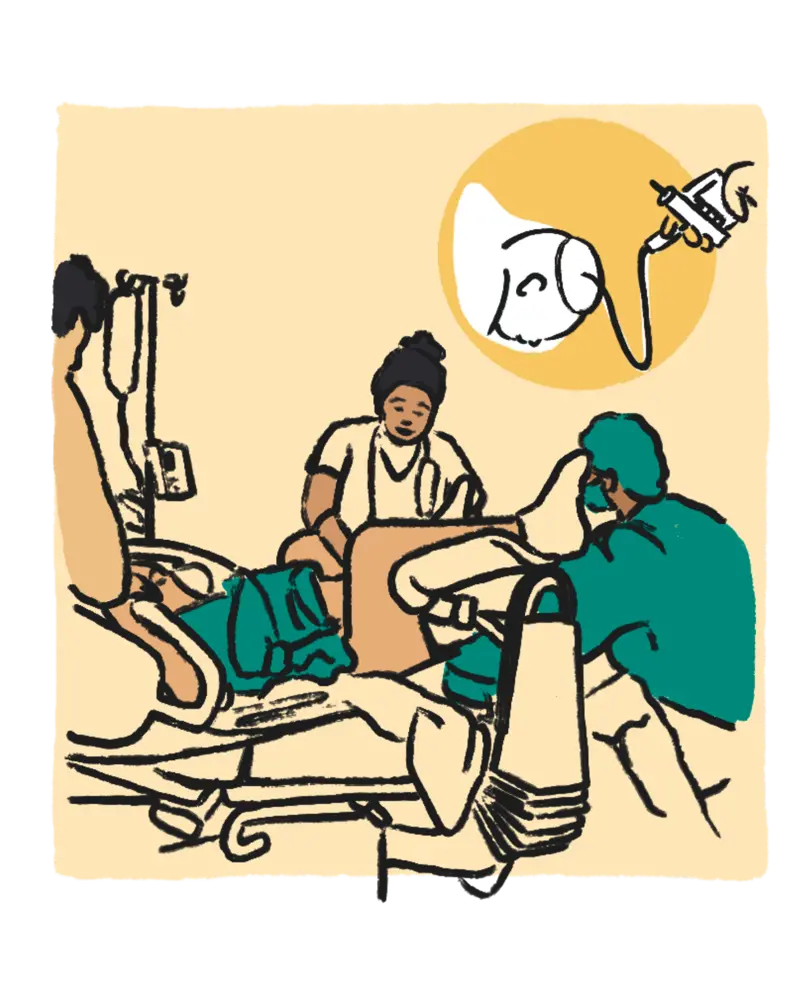
Most labors go well, but sometimes unexpected things happen. Knowing what to expect can help you feel more prepared and help you have a plan in place in the event something unexpected does occur.
 Complications
If Your Baby Needs a Little Help After Birth
Most babies breathe and adjust well right after birth. But sometimes, a newborn may need a little extra care.
More Complications Resources

At The Hospital With Baby Resources
Your time in the hospital is filled with important firsts, like meeting your baby, learning to feed, and starting your recovery. These resources help you feel confident in caring for your newborn as you prepare to take them home.
Key topics in this section include:
- Bonding and breastfeeding in the first hour after birth
- Recovering and learning in the Postpartum Unit
- Rooming-in with your baby
- Preparing for discharge and going home
Your hospital stay is a time to rest, recover, and begin life with your baby. You’ll learn how to feed, bond, and care for your newborn while getting the support you need to heal and gain confidence.
Recommended Resources
 At The Hospital With Baby
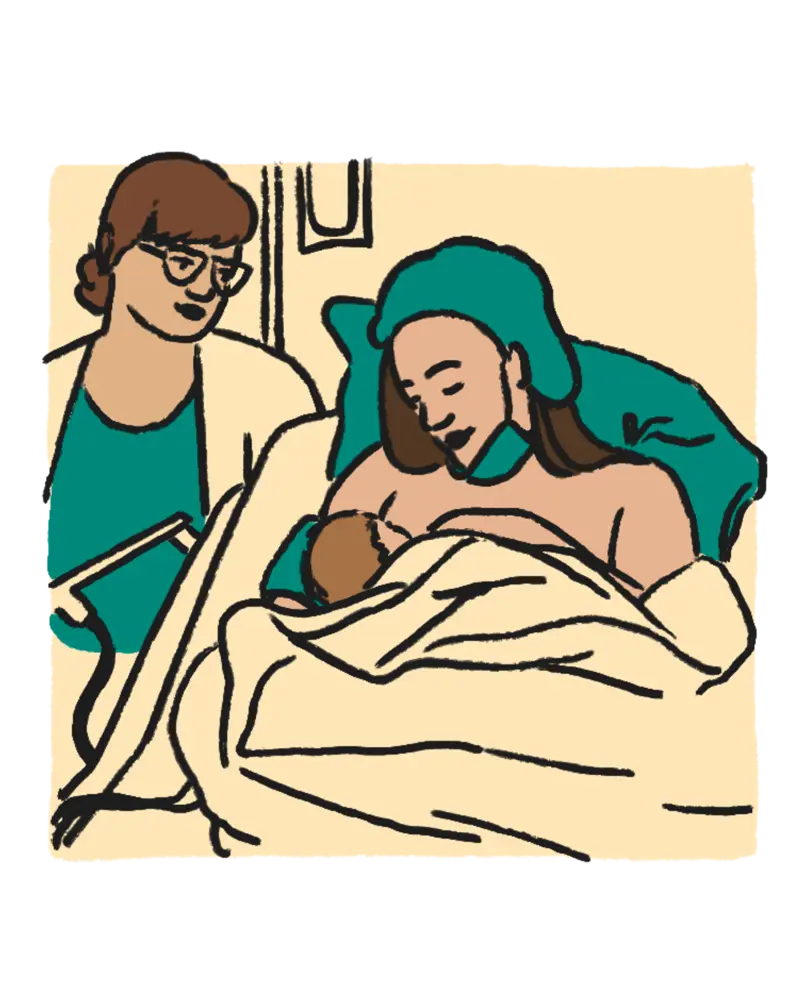
The First Moments: Skin-to-Skin, Bonding, and Breastfeeding
The first moments after birth are filled with connection, comfort, and care.
 At The Hospital With Baby
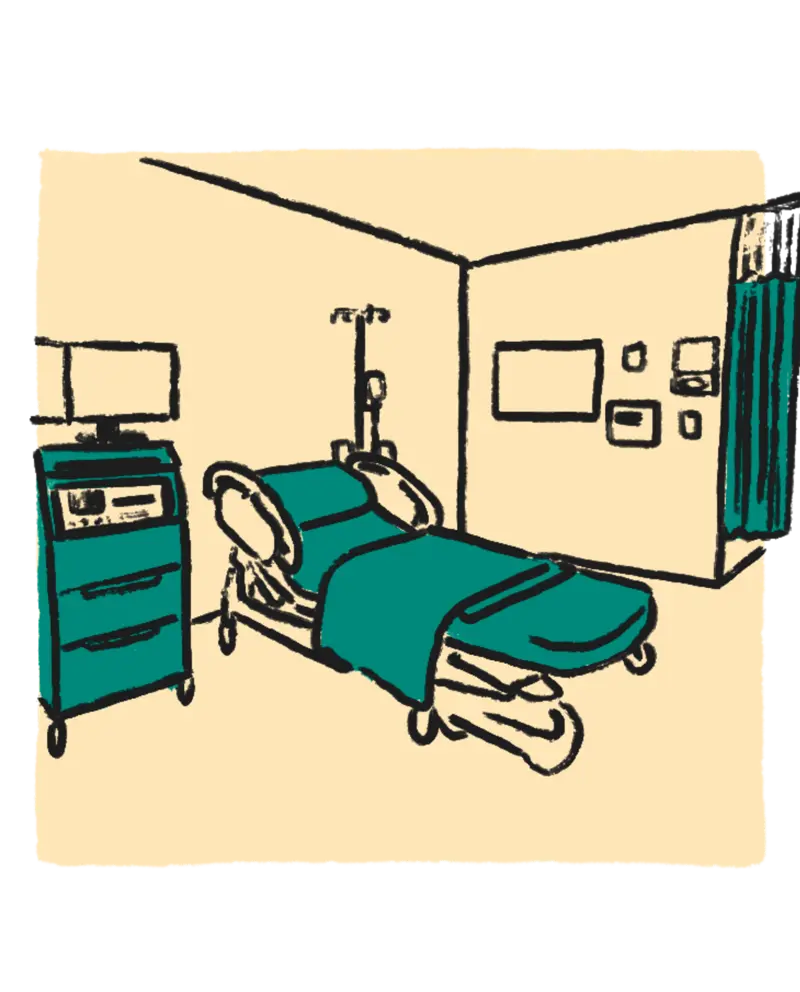
Rooming In and Recovery in the Postpartum Unit
After you give birth, you and your baby will move together to a room in the Postpartum Unit. The nurses and staff will take care of you and your family during this special time. In your room, you will learn how to care for your baby and yourself.
 At The Hospital With Baby
Going Home From the Hospital Checklist
Bringing your baby home is an exciting and sometimes overwhelming step. To help you feel prepared, we’ve put together this checklist of what to expect before leaving the hospital and how to care for yourself once you’re home.