Newborn Care
The first days with your baby are full of discovery, learning, and change. From feedings and diaper changes to checkups and sleep routines, each moment helps you get to know and care for your newborn.
These resources offer practical information on baby care, safety, medical visits, and feeding, so you can feel ready for life at home with your new baby.
Explore tips on soothing a fussy baby, recognizing normal appearance and behavior, and understanding your baby’s natural eating and sleeping cues.
You’ll also learn about recommended vaccines and when to contact your health care provider with questions or concerns.
Getting To Know Your Baby Resources
Now that your child is home, you’ll take extra notice of their tiny features, learn what different cries mean, and start to understand how to meet their needs. Every baby is unique, and taking time to observe and respond helps you build a strong bond.
Key topics in this section include:
- Understanding your baby’s appearance and behavior
- Comforting and soothing a fussy baby
- Safe bathing, diapering, and cord care
- Learning your baby’s feeding and sleep cues
The more time you spend with your baby, the easier it becomes to recognize their patterns and signals. You’ll start to notice when they’re hungry, tired, or need comfort, and how small routines like diaper changes or bath time can help them feel calm and secure. These early moments of care are more than just tasks. They’re chances for you to build trust and closeness with your baby.
Recommended Resources
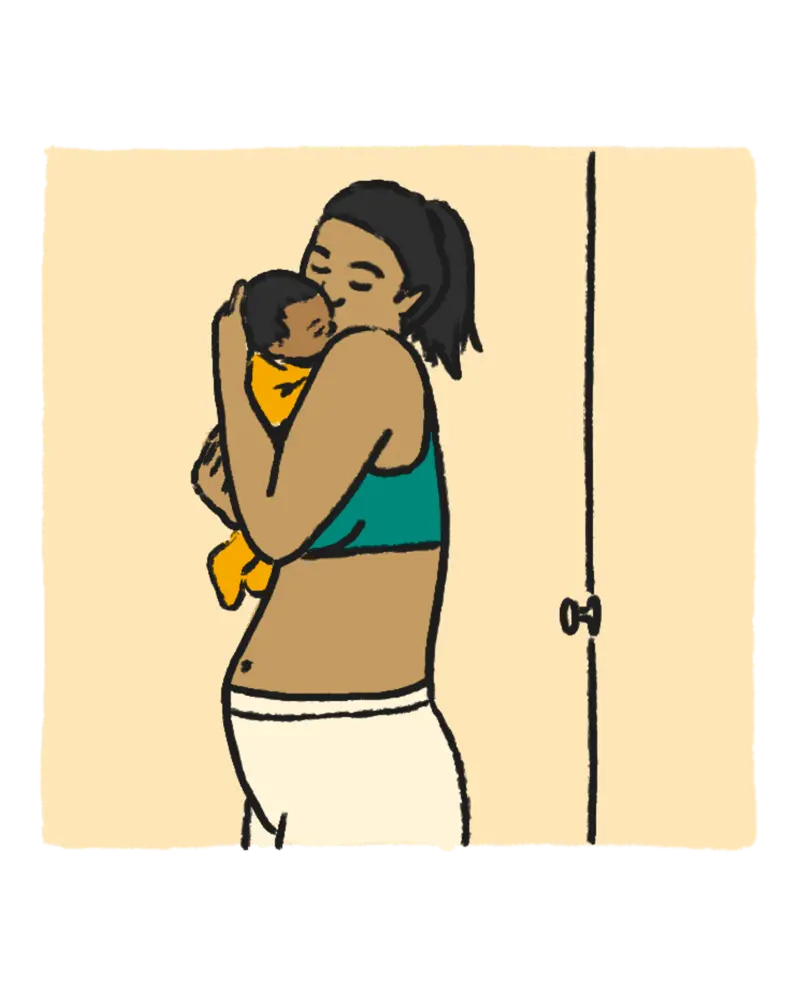
 Getting To Know Your Baby
What to Do When Your Baby Is Fussy
Most new babies have a fussy time each day. Your baby may cry because they’re tired, hungry, wet, uncomfortable, or simply want to be held. Over time, you’ll start to recognize your baby’s different cries and what they mean. Here are some ways to help calm and comfort your baby.
 Getting To Know Your Baby
Bathing, Diaper, and Umbilical Cord Care
Newborn care can feel like a lot at first, but simple routines can keep your baby clean, comfortable, and healthy.
 Getting To Know Your Baby
The Look of Your New Baby
Every baby is unique. In the first few days, you may notice things about your baby’s appearance that surprise you—but most are completely normal and temporary.
Feeding Your Baby Resources
Feeding your baby is one of the most important ways to bond, nourish, and build lasting connections as a parent. There’s no single right way to feed your baby. What matters most is finding what works best for you and your family.
Key topics in this section include:
- Breastfeeding and pumping
- Bottle-feeding and formula
- Feeding cues and routines
- Getting support and guidance
The early days of feeding can bring both joy and challenges. Whether you breastfeed, pump, use formula, or combine methods, it helps to know what to expect and where to find support. With care and practice, you can feel assured that your baby is getting the nourishment they need to grow and thrive.
A Note on Inclusion
At BMC, we know it’s important to use gender-inclusive language. In this article we use the word “breastfeeding,” but some families may prefer “chestfeeding” or “human milk.” Please use the words that feel right for your family. We celebrate and support all families of every shape, size, and background.
Recommended Resources
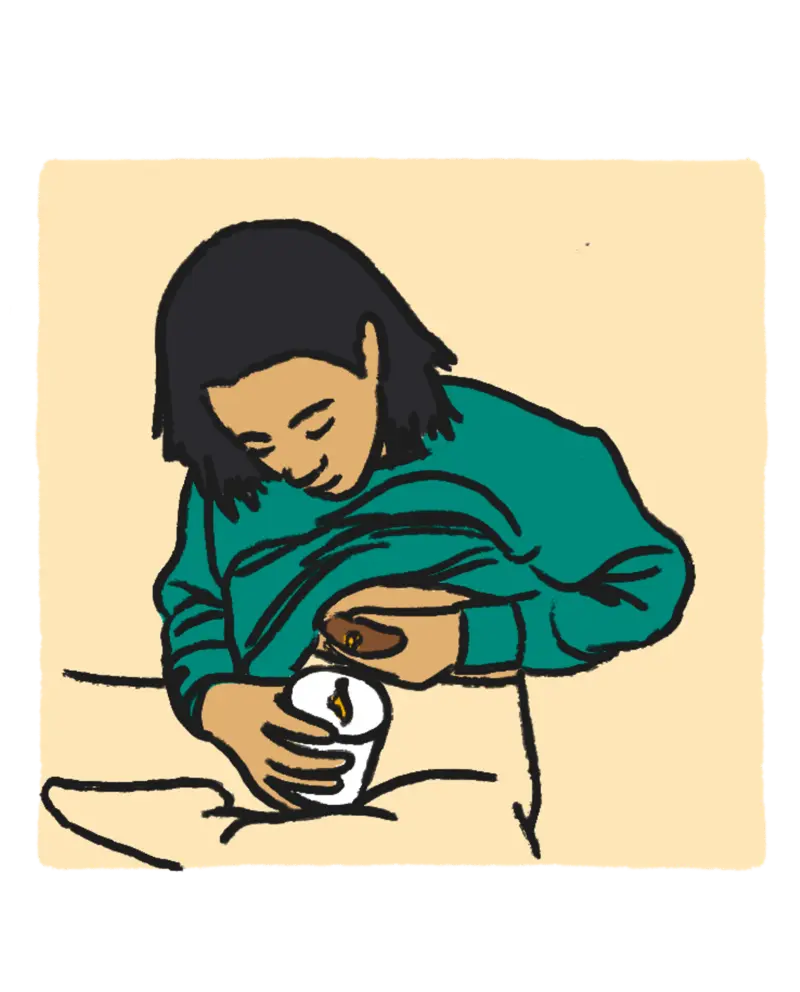
 Feeding Your Baby
Prenatal Hand-Expression of Colostrum (Breast Milk)
Learn how to collect colostrum—your first, early breast milk—during the last weeks of pregnancy using a simple technique that can help you feel more confident and give your baby extra nutrition in the first few days.
 Feeding Your Baby
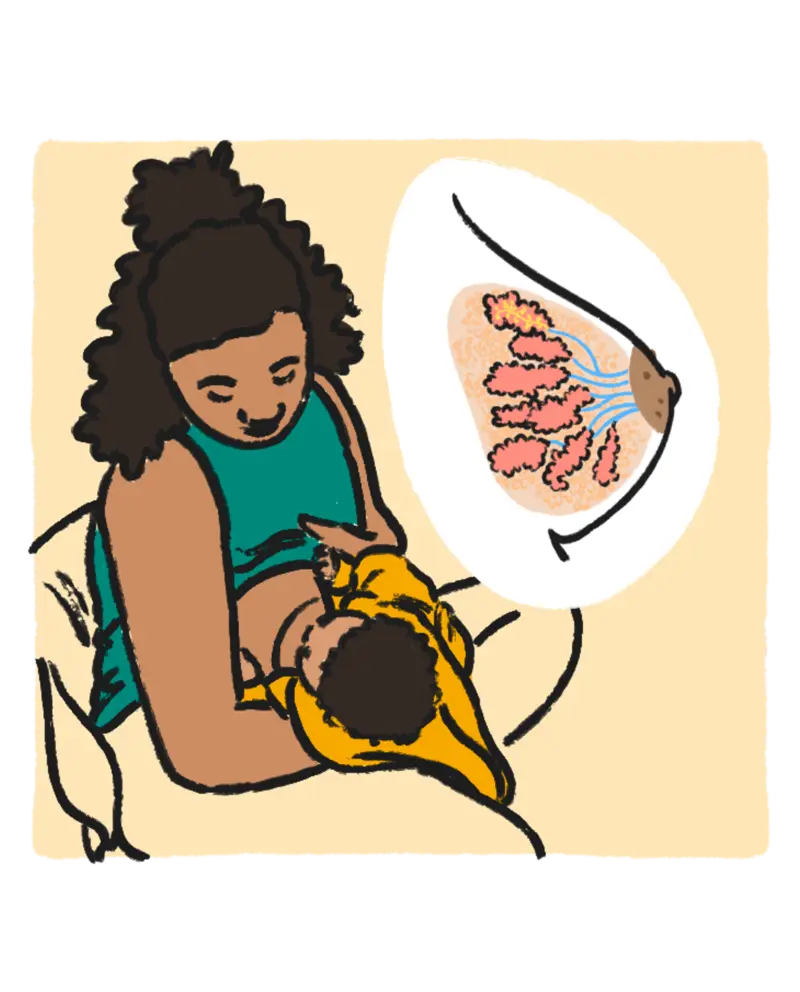
How to Breastfeed and Get a Good Latch
Getting your baby attached well to your breast is very important to get breastfeeding off to a good start. A good latch helps protect your nipples and helps your baby get plenty of milk.
 Feeding Your Baby
Common Questions About Breastfeeding
If you choose to breastfeed or are still just considering it, you might have a lot of questions! Here are answers to some of the most common breastfeeding questions we hear.
 Feeding Your Baby
How to Bottlefeed
Whether you’re using breast milk, formula, or both, bottlefeeding can be a special time to bond with your baby. Learning the right techniques can help keep feeding safe, healthy, and relaxed for you both.
More Feeding Your Baby Resources






Medical Care Resources
Your baby’s health and safety are supported by regular checkups, preventive care, and knowing when to reach out for help. Building a relationship with your baby’s care team helps you feel confident about what’s normal and when something needs attention.
Key topics in this section include:
- When and how to contact your baby’s provider
- What to expect at well-baby visits
- Understanding vaccines and screenings
- Healing and care after circumcision
The first months with your baby come with many questions, from feeding and sleeping to what changes are normal. Staying in touch with your baby’s care team helps you understand what to expect and when to seek help. Regular checkups track your baby’s growth, offer vaccines, and give you a chance to discuss any concerns so you feel supported and prepared as your baby grows.
Recommended Resources

 Medical Care
When to Call Your Baby’s Provider
It’s normal to have questions and worries in the first weeks with your baby. Some concerns can wait for a call to your clinic, while others need immediate care. Here’s how to know when to reach out for help—and when to go straight to the emergency room.
 Medical Care
Well-Child Visit Schedule
Your baby’s health and growth should be closely monitored throughout their first year. Even if your baby seems totally healthy, regular check-ups help your care team track development, answer your questions, and give your baby the vaccines they need to stay healthy.
 Medical Care
How to Take Care of Your Baby’s Circumcision
If your baby is circumcised as a newborn, the area will heal over 7–10 days. It’s normal for the tip of the penis to look red and slightly swollen at first. With gentle care and regular cleaning, healing usually happens quickly and without problems.
Safety Resources
Creating a safe environment helps your baby grow and explore. From sleep to car rides, small daily habits make a big difference in keeping your baby healthy and protected.
Key topics in this section include:
- Safe sleep routines and setup
- Car seat safety and installation
- Preventing shaken baby syndrome
- Everyday safety and supervision
Safety starts with awareness and preparation. Knowing how to create a calm sleep space, secure your baby in their car seat, and manage stress during fussy moments helps prevent accidents and promotes peace of mind. With guidance and support, you can worry less and focus more on enjoying time with your baby.
Recommended Resources

 Safety
Safe Sleep for Your Baby
Creating the right sleep space helps keep your baby healthy and lowers the risk of sudden infant death syndrome (SIDS). These steps can help your baby rest safely and comfortably.
 Safety
Car Seat Safety
A properly installed car seat is one of the best ways to protect your baby during every trip—starting with the first ride home from the hospital.
 Safety
Shaken Baby Syndrome (Newborn Head Trauma)
All babies cry—it’s how they communicate hunger, tiredness, or discomfort. It’s normal to feel tense or overwhelmed when your baby is crying, but shaking a baby is never safe.