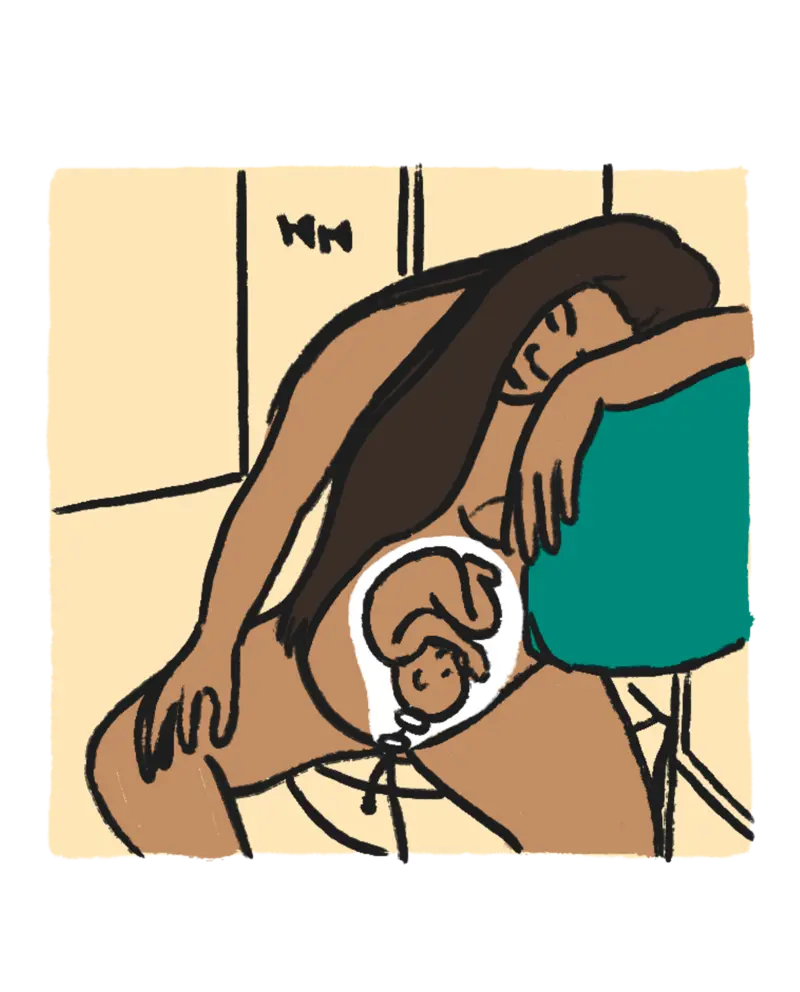
Understanding High-Risk Pregnancy

A high-risk pregnancy means that you or your baby should have extra care during your pregnancy. There may be a higher chance of health problems during pregnancy, birth, or after birth.
High-risk pregnancy does not mean something bad will happen. It means your care team will pay extra attention to keep you and your baby safe. Many people have high-risk pregnancies and go on to have healthy babies.
Through your pregnancy, remember that you are still the most important part of your care team. Ask questions, share your goals, and stay involved in every decision.
What Can I Expect if I Have a High-Risk Pregnancy?
Learning that your pregnancy is high-risk can feel overwhelming. It means there may be a slightly higher chance of complications. But you’ll get extra care that is meant to catch problems early and give you and your baby the best chance for a healthy start.
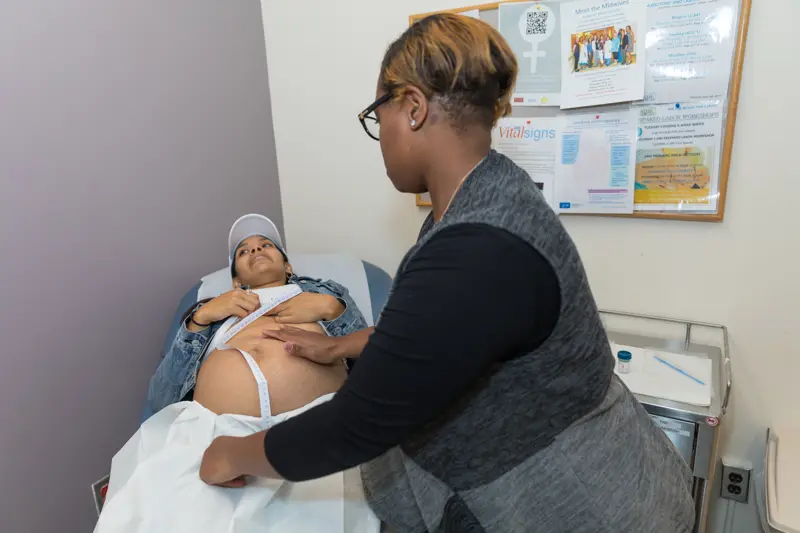
- Prenatal visits: You may have more frequent visits with your care team. You may have a visit, or all your visits, with a high-risk pregnancy specialist called a maternal–fetal medicine doctor. At these visits, you’ll talk about your plan for pregnancy and birth. You may be asked to transfer your care from a midwife to a doctor or maternal–fetal medicine doctor if your pregnancy becomes high-risk.
- Care provider: If you have a high-risk pregnancy or your pregnancy becomes high-risk, you may have appointments with:
- a doctor who specializes in maternal–fetal medicine
- an obstetrician
- a doctor working together with a midwife or nurse practitioner
- Extra tests: You may need extra blood, urine, or other types of tests or imaging.
- Blood pressure checks: You may get a blood pressure machine to watch your blood pressure at home.
- Extra medicine: Your provider may recommend that you take aspirin or other medicines to prevent health problems.
- Extra ultrasounds and fetal monitoring: Some people will need to have ultrasounds more often and monitor the baby’s heartbeat regularly, especially at the end of pregnancy.
- Labor and birth: Many people with high-risk pregnancy may want to start labor before their due date. This is called an induction of labor. Some people will need a C-section, but most can have a vaginal birth. You will talk to your care team during your pregnancy about your options.
Common Reasons a Pregnancy Might Be High-Risk
A pregnancy might be high-risk because of health issues, issues with the pregnancy, concerns about the baby, or other factors.
Health Issues Before Pregnancy
- Diabetes
- High blood pressure
- Heart or kidney problems
- Blood issues like sickle cell anemia
- Your age
- Obesity
- History of certain types of infections
Pregnancy Issues
- Gestational diabetes
- High blood pressure of pregnancy, or preeclampsia
- Risk for preterm birth
- Placenta problems, like placenta previa
Past Pregnancy Issues
- Preterm labor or birth in another pregnancy
- High blood pressure or preeclampsia in another pregnancy
- Complications with pregnancy, labor, or birth
Baby Concerns
- Very small baby (fetal growth restriction)
- Twins
- Birth defects or genetic differences
Lifestyle or Social Factors
What Are the Risks to Me or My Baby?
High-risk pregnancy does not mean something bad will happen—it means your care team will pay extra attention to keep you and your baby safe. Depending on your specific reason for being high-risk, chances could be higher for:
- Preterm birth
- Pregnancy problems like high blood pressure, preeclampsia, and diabetes
- C-section birth
- Low birth weight for the baby
- Baby staying in the neonatal intensive care unit (NICU)
- Losing the baby before birth (stillbirth)
Tips for a Healthy High-Risk Pregnancy
Finding out that your pregnancy is high-risk can feel stressful. There are steps you can take to stay healthy and help your baby grow well.
Keep All Prenatal Visits
Your care team will watch your blood pressure, baby’s growth, and lab results closely so they can catch issues early.
Prenatal visits are your time to ask questions and share any worries or changes you’ve noticed. It’s okay to talk about anything from physical symptoms to stress or safety at home.
Eat Well and Stay Hydrated
- Aim for fruits, vegetables, whole grains, and protein at each meal.
- Drink plenty of water.
- Take your prenatal vitamin.
- Talk to a nutrition expert.
Move
Light activities like walking, stretching, or prenatal yoga help with energy, sleep, and mood.
Take Medicines if Prescribed
Never stop or change medications without talking to your provider.
If it's prescribed to you, take aspirin every night after 12 weeks of pregnancy.
Watch for Symptoms
Call your provider if you notice:
- Headaches that don’t go away
- Vision changes (seeing spots, blurred vision)
- Pain in your belly
- Less baby movement
- Bleeding or leaking fluid
Take Care of Your Emotional Health
Stress, anxiety, or depression can affect your pregnancy too. Some people feel more stressed or alone if they have a high-risk pregnancy. Ask for support!
- Keep your normal routine. It’s usually safe to work unless your provider tells you not to.
- Try self-help tips for stress.
- Build your support team.
 Medical Care