Fetal Growth Restriction

Every pregnancy is unique, and babies grow at their own pace. Sometimes an unborn baby is smaller than expected or not growing at the normal rate. This is called fetal growth restriction (FGR) or intrauterine growth restriction (IUGR).
A baby has FGR when their estimated weight is below the 10th percentile for their gestational age (how many weeks they have developed, or the number of weeks of your pregnancy). This means that out of 10 babies at the same stage, your baby is estimated to weigh less than nine of them.
FGR happens in about one in every 10 pregnancies. Most babies who measure small are born healthy, but FGR means your baby may need closer monitoring to make sure they are growing well and staying safe.
What Causes Fetal Growth Restriction?
Fetal growth restriction happens when your baby is having trouble getting enough oxygen and nutrients. The most common causes are problems with the placenta or umbilical cord. Other potential causes include:
- Health conditions in the pregnant parent, like high blood pressure or diabetes
- Certain types of infection during pregnancy
- Using tobacco, alcohol, or drugs during pregnancy
- Genetic or chromosomal differences in the baby
- Past pregnancy history (if you had a baby with growth restriction before, the risk can be higher in your later pregnancies)
How Is Fetal Growth Restriction Diagnosed?
During your prenatal visits, your provider checks how much weight you have gained overall, and also measures your belly (abdomen). A baby may have FGR if your belly measures smaller than the 10th percentile, even when your total weight is in the normal range.
If your belly is smaller than expected, your provider may recommend an ultrasound to check your baby’s growth.
Even with measuring and ultrasound, it can be hard to tell the difference between a baby who is small but healthy and a baby who is not growing well and needs closer care. About two out of every 10 babies who seem to have FGR on ultrasound are actually small but healthy and have no problems at birth.
In addition to how large they look on the ultrasound, there are other signs that your baby might not be getting enough oxygen and nutrients to grow at the normal rate:
- Changes in blood flow to the baby
- Lower levels of amniotic fluid (the water around the baby)
- Problems with your placenta
What Can Happen if There Is Fetal Growth Restriction?
Content Warning: The next section talks about serious risks to babies.
Emergency C-Section
During labor, babies with FGR may experience more stress and may be more likely to need a cesarean birth (C-section).
Additional Medical Care Immediately after Birth
After they are born, some babies with FGR need care in the neonatal intensive care unit (NICU), for problems like:
- Low blood sugar
- Infant jaundice
- Infections
- Trouble breathing
Be reassured that with close monitoring, most babies with FGR do well after birth.
Stillbirth
Babies with fetal growth restriction (FGR) have a higher chance of stillbirth (being born dead), especially if they are very small or the placenta isn’t working well. The risk of a stillbirth is also higher if you have high blood pressure, diabetes, or other health problems.
| Baby’s Size for Their Gestational Age | Chance of a Stillbirth |
|---|---|
| No fetal growth restriction (FGR) | Six babies out of 1000 babies (0.64 percent) |
| FGR: Baby in the 5th to 10th percentile | 15 babies out of 1000 babies (1.5 percent) |
| FGR: Baby in the 3rd to 5th percentile | 25 babies out of 1000 babies (2.5 percent) |
| FGR: Baby under the 3rd percentile | 50 babies out of 1000 babies (Five percent) |
What Can I Do if My Baby Has Fetal Growth Restriction?
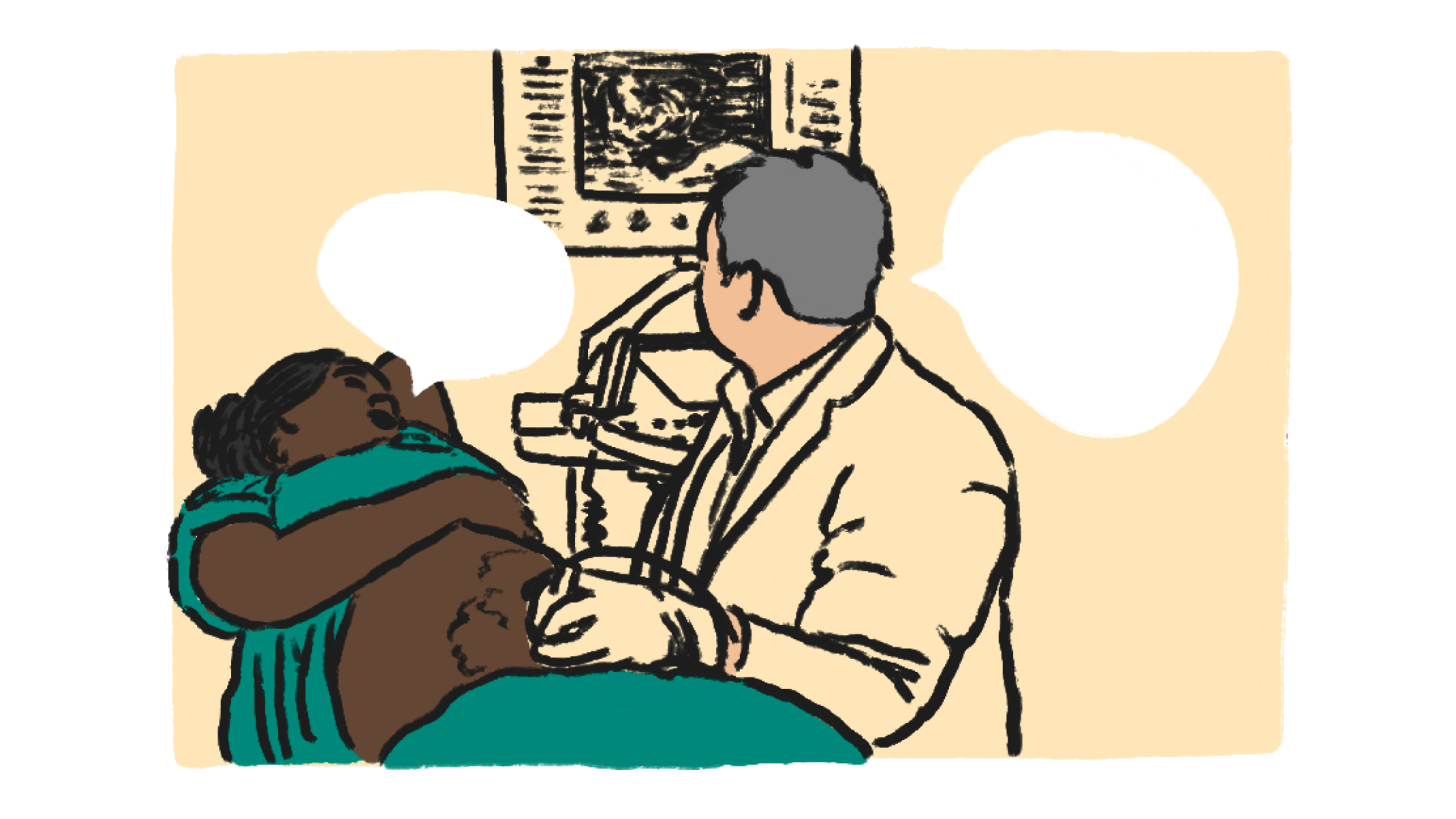 If your baby is smaller than expected, your care team may recommend:
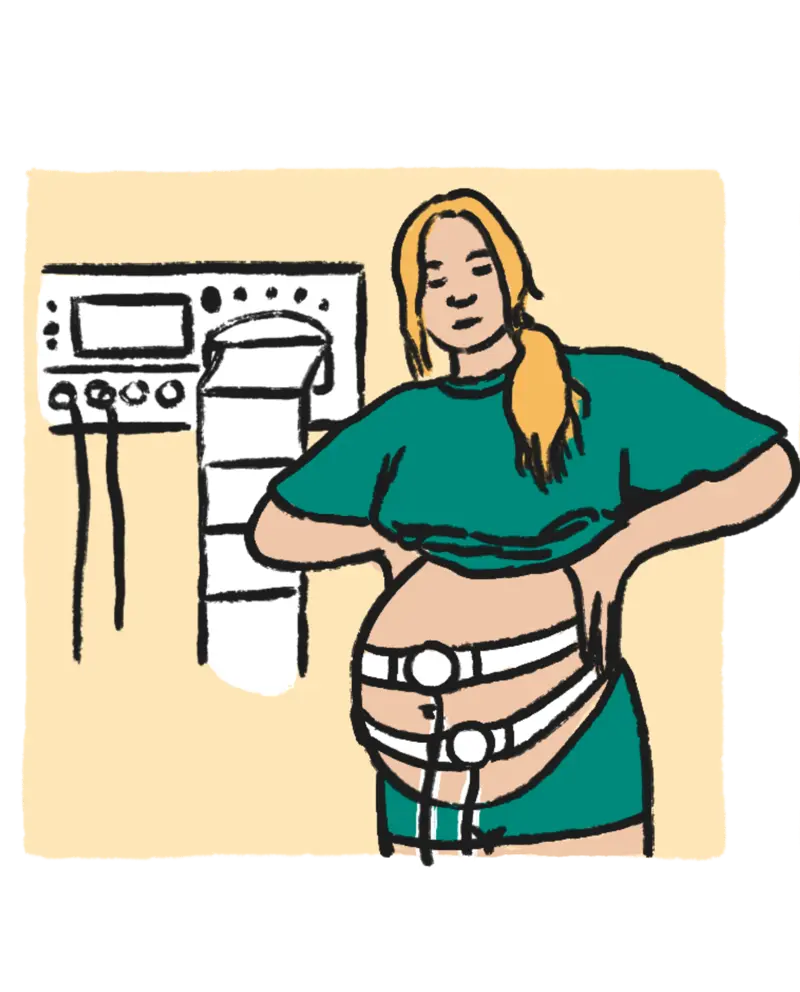
- More frequent checkups to watch your baby’s health closely, including ultrasound imaging once or twice a week, to check:
- Amniotic fluid levels (the water around the baby)
- Baby’s growth and estimated weight
- Baby’s heart rate
- Blood flow
- Visits with specialists, such as:
- A doctor who specializes in high-risk pregnancies (maternal–fetal medicine)
- A genetic counselor, if needed
Delivering Your Baby Early
Most babies with growth restriction grow better after they are born than inside the womb.
Your care team may recommend that you give birth before your due date, either by inducing labor or a planned C-section. Some signs that you may need to give birth early:
- The baby keeps growing slower than normal
- There are signs your placenta isn’t working well
- You have other health problems, like high blood pressure or diabetes
| Baby’s Estimated Size on the Ultrasound | Recommendation for When to Give Birth |
|---|---|
| 37 weeks |
| 38–39 weeks |
| In addition to your baby’s size, if your provider sees other concerning things on the ultrasound, they may recommend birth before 37 weeks. This is fairly rare. You can ask your provider for more information. | |
If your care team recommends that you give birth early, they will work with you to decide the best time and plan. The goal is for you to feel informed and supported every step of the way.
A Final Note
Estimating baby growth is a tricky process. Sometimes babies who look small early in the pregnancy can “catch up” later in the pregnancy, returning to normal growth. If this happens, you can go back to regular prenatal care.
 Medical Care