Group Beta Strep (GBS) Testing and What It Means

Group B streptococcus (also called Group B strep, or GBS) is a common type of bacteria (tiny organisms that live in and around your body) that can cause infection.
While GBS may not be harmful to you, it can be harmful to babies. If you’re pregnant, you can pass it to your baby during labor and birth.
Many people carry GBS bacteria and don’t know it—one in four people have it! GBS in adults usually doesn’t have any symptoms, but it can cause minor infections, like bladder or urinary tract infections (UTIs).
How Do You Get GBS?
GBS bacteria can live in your gut (intestines), your bladder, and around your vagina and anus. The bacteria live in the body naturally. As an adult, you wouldn’t get a new GBS infection from food, water, or things you touch. You can’t catch it from another person, and you can’t get it from having sex.
Testing for GBS
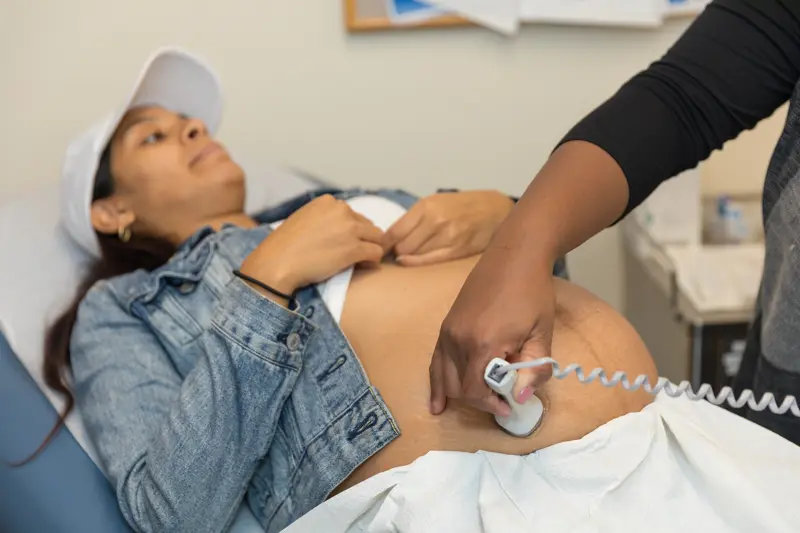
To make sure your baby doesn’t get sick from GBS, we recommend that all pregnant people are tested during a prenatal visit between 35 and 37 weeks of pregnancy. The test is simple (a swab of your vagina) and results are usually available in one to two days.
GBS can also be found in your urine. If you have a urinary infection with GBS at any time during your pregnancy, this would count as a positive test.
Learn about Different Prenatal Tests
If You Test Positive
If you do test positive for GBS, don’t worry!
- You will not need to take medicine throughout your whole pregnancy.
- We will recommend that you get antibiotics (penicillin) through an IV in the hospital after your water breaks and during labor. Tell your provider if you have an allergy to penicillin.
If your water breaks before your labor starts, we recommend that you stay in the hospital to get antibiotics, rather than going home to wait.
What Are the Chances That I Pass GBS to My Baby?
- If you have GBS during childbirth and it’s not treated, there is a one to two percent chance that your baby will get the infection. Said another way, one or two babies out of 100 get infected.
- If you have GBS and you get antibiotics during labor and birth, your baby’s risk of getting sick is almost zero.
 Medical Care