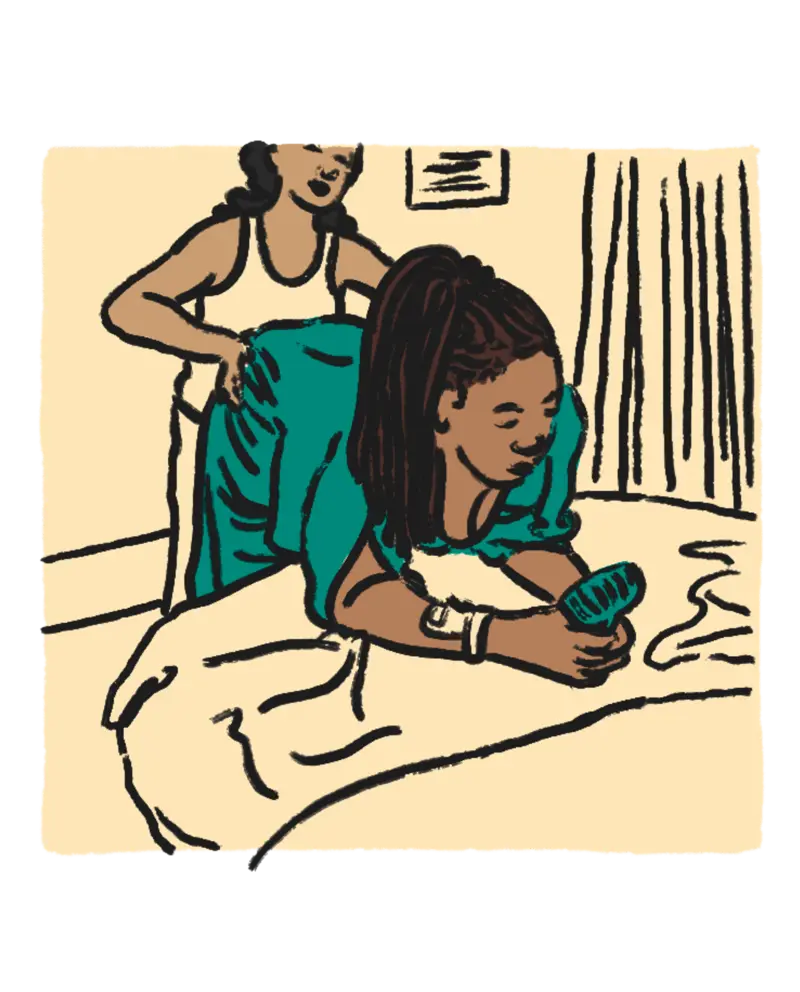
Everything You Need to Know About Labor Induction

Induction of labor is when medicines or treatments are used to start labor, before it starts on its own.
Labor induction takes time and may be longer than you expect. It may feel different from labor that starts on its own.
Why Might I Need an Induction of Labor?
There are many reasons someone might need their labor induced. These include:
- You are past your due date.
- Your water has broken, but labor hasn’t started.
- There is a health concern for you or your baby.
Your provider will talk with you about the reasons why an induction of labor is recommended.
It’s also important to know that some people who have labor induction may still need a C-section.
Where Does It Happen?
Some people may start induction at the hospital and go home, but many people stay at the hospital to have their labor induced.
How Long Does Labor Induction Take?
Labor induction takes time.
- Most babies are not born on the same day you come to the hospital.
- It may take one to three days for your baby to be born.
Be patient! Your baby is worth the wait.
Download: BMC OB/GYN: What Happens to My Body in Labor and Birth? (PDF)
What Will Happen When I Arrive at the Hospital?
When you come to the hospital, we’ll:
- Check your baby’s heartbeat
- See if you are having contractions
- Answer questions to understand your preferences and medical history
- Do a vaginal exam if needed to check your cervix (how open and soft it is)
- Decide on the best way to begin your labor induction
What Happens During Labor Induction?
During labor induction, you:
- May feel cramps or pain. Ask about ways to stay comfortable (like music, movement, or pain medicine)
- May need to wait to eat food
- Can drink water, juice, broth, or eat popsicles
- Will be encouraged to walk, shower, sleep, and use the bathroom on your own
- May wear a monitor and belts on your belly to check your baby’s heartbeat (some or all of the time)
- Will have your vital signs checked every one to four hours
Watch Video: How Is Induction of Labor Performed?
Download: BMC OB/GYN: Preparation for Vaginal Birth (PDF)
How Is Labor Induced?
Labor can be induced in several ways. You and your care team will decide which one is right for you. More than one medicine or tool may be used at the same time.
Membrane sweep: If your cervix is open, your provider may use a finger to gently move the bag of water away from the cervix.
 Misoprostol: This is a pill that helps soften the cervix and can sometimes start contractions. It may be swallowed or placed in the vagina. You may get these pills every few hours. If you have had a C-section or another surgery on your uterus before, you should not take this medicine.
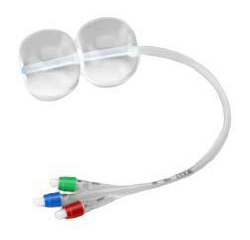 Cervical balloon: This is a tube (catheter) with two small balloons. It’s placed through the cervix, and the balloons are inflated above and below the cervix. It gently opens the cervix over several hours (up to 12 hours).
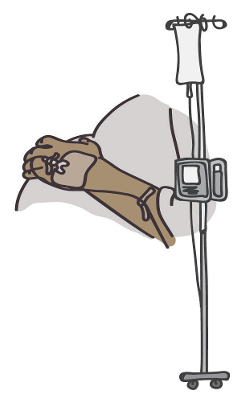 Oxytocin (Pitocin): This is a medicine given through an IV that starts or strengthens contractions.
 Amniotomy (breaking the water): Sometimes your provider may break the bag of water. This is done with a small plastic tool.
How Can I Get Prepared for Labor Induction?
If you know you’ll have to have your labor induced, there are some things that will help you get ready:
- Eat a good meal before coming to the hospital.
- Spend time with friends or family.
- Do something just for you.
- Make sure you have a plan for care for your other children.
- Pack your labor and birth bag.

 What To Expect During Labor