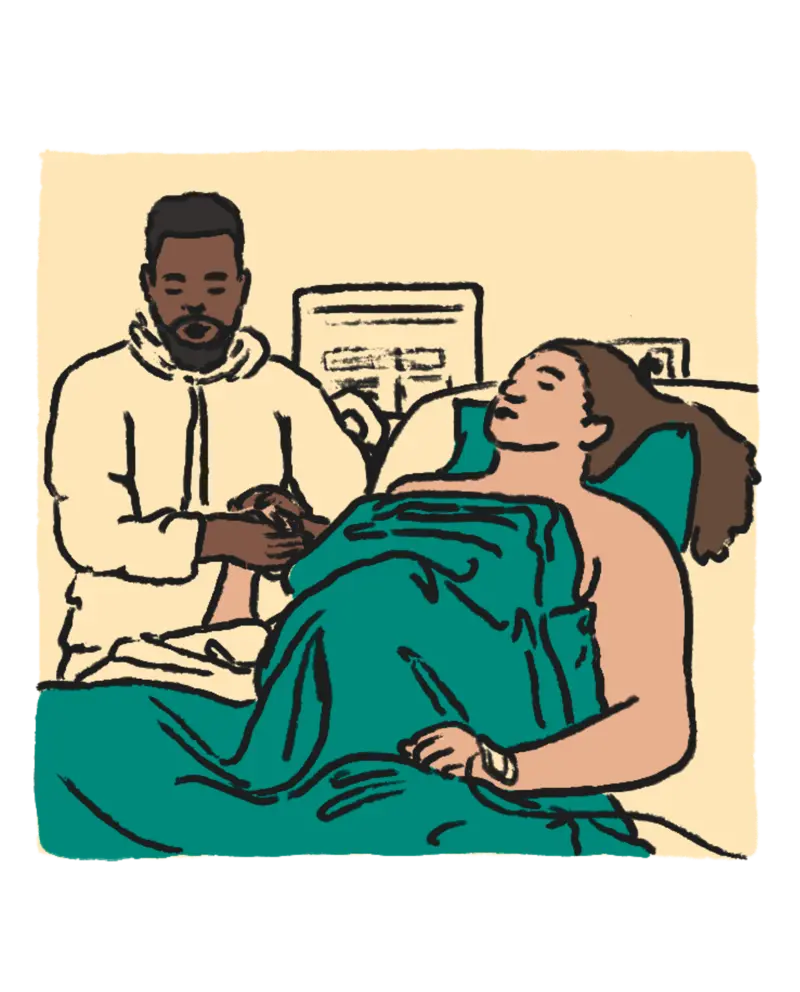
Aromatherapy in Pregnancy, Labor, and After Birth

Aromatherapy uses essential oils (plant oils) for smell or skin application. It is a safe complementary therapy for relaxation and comfort and can be used along with other comfort and pain-relief options.
What Can Aromatherapy Help With?
- Relaxation and a sense of calm
- Lowered anxiety and stress levels
- Comfort during labor
- Sleep support
- Nausea or headache relief for some people
- Healing after birth (for urinary or perineal discomfort)
Who Can Use Aromatherapy?
Most people can use aromatherapy. Do not use aromatherapy if you have asthma, scent sensitivity, allergies, or if strong smells trigger headaches. Stop using it if you feel dizzy, nauseated, or develop a rash.
When Can I Use It?
- During pregnancy: For calm and sleep, and to help with nausea and headaches
- During labor: To lower anxiety and increase comfort
- After birth: For calm and sleep, and to help with discomfort while peeing or from perineal healing
How Do I Use Aromatherapy?
Smell (Inhalation)
- Put one to two drops on a cotton ball or in an aroma inhaler, and sniff as needed.
- Use a diffuser (follow the instructions for your specific device).
On Skin (Topical)
Do not apply essential oils directly on your skin as they come out of the bottle—they are too strong. You must dilute them first.
- In a small bowl, mix two to three drops of essential oil into one tablespoon of neutral oil (such as jojoba or food-safe coconut or olive oil).
- Then, rub a small amount on your wrists, temples, or the bottoms of your feet.
Perineal Care and Baths (after Birth)
Your nurse can help you with these options at the hospital, and you can request supplies to bring home with you.
- Pads: Add six to 10 drops of essential oil to a container of Tucks® pads. Layer these pads on top of a thick menstrual pad to help heal your perineum.
- Sitz bath: Mix six to 10 drops with one tablespoon of neutral oil, then add this mixture to the warm water in the bath container.
Which Oils Can I Use?
BMC’s Labor & Delivery unit offers several aromatherapy options available for labor, birth, and postpartum recovery.
Do not use clary sage during pregnancy. It can stimulate the uterus to contract and may cause labor to start too early. Once your labor has begun, it is safe to use for discomfort and relaxation.
| Essential Oil | When You Might Use for Self-Care | When to Avoid Using |
|---|---|---|
| Bergamot | To ease depression or anxiety and help with general stress relief or sleep troubles | Can increase your chance of sunburn if used on skin (phototoxic) |
| Black Pepper | To help feelings of burnout, muscle discomfort, arthritis or joint swelling, and toothaches or dental pain | None |
| Clary Sage | For calming and to help discomfort, anxiety, depression, or muscle relaxation | Can cause uterine contractions. Do not use unless you are already in labor, or in the hospital under medical observation. Also, use with caution if you have estrogen-dependent tumors (for example, some types of breast cancer). |
| Frankincense | To help with calming and sleep troubles, and ease general discomfort, inflammation (swelling), and feelings of anxiety, grief, or restlessness | None |
| Ginger | To help ease discomfort, especially indigestion and nausea | None |
| Lavender | To help ease discomfort or headache and for calming, relaxation, and sleep | None |
| Mandarin (such as satsuma, tangerine, or clementine orange) | To help ease nervous tension (anxiety or restlessness), depression, nausea, and stomach pain | None |
| Peppermint | To ease headache and nausea, increase muscle relaxation, and help if you have a hard time peeing | Do not use if you have G6PD deficiency, a history of cardiac disease or atrial fibrillation, or a seizure disorder. Do not use near infants. |

 Preparing For Birth