High Blood Pressure and Preeclampsia

Understanding Preeclampsia
Preeclampsia is a serious condition that can happen during pregnancy, usually after 20 weeks. It involves high blood pressure and can affect both your health and your baby’s health.
During pregnancy, your body makes more blood to support your growing baby. It’s normal for your blood pressure to rise a little. But if it gets too high—above 140/90—it can become dangerous.
About Preeclampsia (Video)
This short video in English explains causes of preeclampsia, signs and symptoms to look out for, and how to take care of yourself and your baby.
(Jump to the bottom of this page to watch this video in Spanish, Haitian Creole, Portuguese, or Vietnamese.)
What Are the Symptoms?
Sometimes you may have symptoms, but sometimes you may not.
Tell your healthcare provider right away if you have any of these signs:
- Bad headaches that don’t get better with medicine
- Changes in your vision, like seeing dark spots or bright flashes
- Pain in the upper right side of your belly
- Trouble breathing or shortness of breath
- New feelings of being sick to your stomach or throwing up (worse than morning sickness)
What Causes High Blood Pressure in Pregnancy?
Some things make it more likely for you to get high blood pressure when you are pregnant, such as:
- It is your first pregnancy
- Your mother or sisters had high blood pressure during pregnancy
- You had high blood pressure before becoming pregnant
- You had high blood pressure in a past pregnancy
- You have diabetes (a health problem with blood sugar) before or during pregnancy
- You are overweight
Black women have a higher chance of high blood pressure. This may be because of racism and other factors that raise the risk.
What Happens If I Have High Blood Pressure During Pregnancy?
This section discusses risks to babies and parents.
High blood pressure in pregnancy can be serious. It may lead to health problems for you and your baby, including:
- Bleeding
- Kidney or liver damage
- Seizures
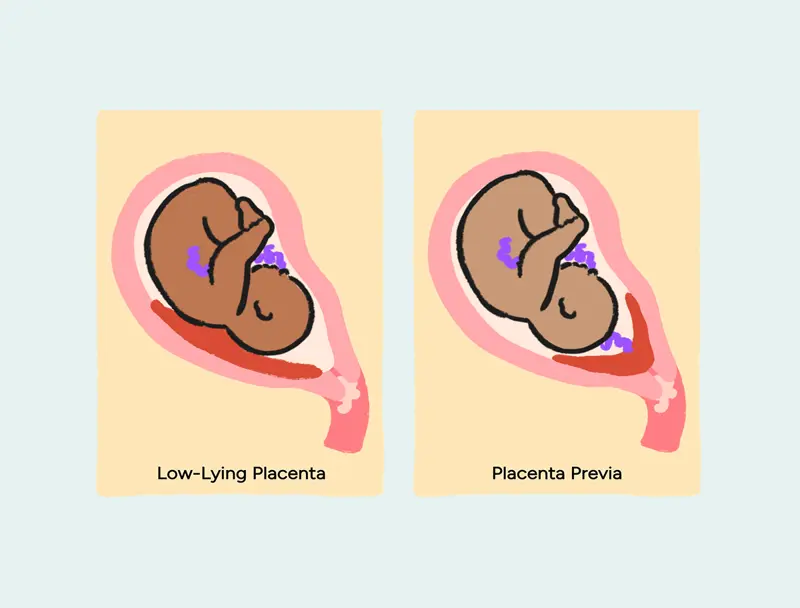
- Problems with the placenta
- Slowed growth of the baby
- Stillbirth
Sometimes blood pressure is normal during pregnancy but rises after delivery—this can also be dangerous if not treated.
The earlier we detect and treat preeclampsia, the safer it is for both you and your baby. Talk to your care team right away if you have concerns.
Can I Prevent High Blood Pressure During Pregnancy?
The best way to stay safe is to know your blood pressure. That’s why we check it at every prenatal visit.
If you’re at risk, your provider may recommend taking a low-dose baby aspirin each night before bed until your baby is born. This can:
- Lower your risk of developing preeclampsia
- Help prevent your baby from being born too early
- Be safely taken during pregnancy
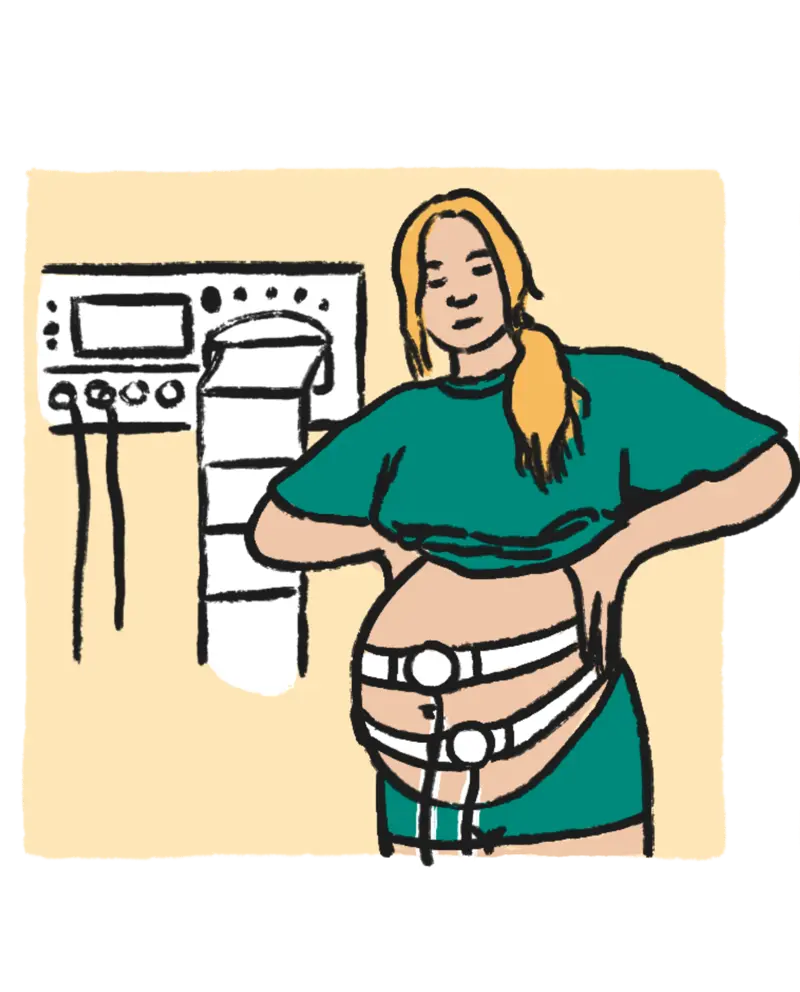
Right now, there is no test to predict who will get preeclampsia. But if your blood pressure starts to rise, we’ll closely monitor you and your baby with extra tests to keep you both safe.
What Can Be Done About High Blood Pressure or Preeclampsia?
If you develop high blood pressure or preeclampsia during pregnancy, we’ll take steps to keep you and your baby safe.
You may need to stay in the hospital for close monitoring and care. Some people can stay home but will come in more often for checkups, lab work, and ultrasounds.
If your blood pressure gets too high, your provider may recommend that you have your baby early. Depending on your health and your baby's condition, this might mean:
- Starting labor with medication (called labor induction), or
- Having a C-section
Once you reach 37 weeks, your baby is usually ready to be born. If your blood pressure rises, we may recommend delivery right away.
Preeclampsia can get worse quickly. Take any symptoms seriously and don’t wait to get help.
If you have any signs of high blood pressure or preeclampsia during pregnancy, call right away: 617.414.2000.
 Medical Care