

The RESTORE (REcovery from Stress and Trauma through Outpatient care, Research, and Education) Center, a program of Boston University and BMC, provides evidence-based mindfulness and cognitive–behavioral treatments for post-traumatic stress disorder (PTSD). We also provide programs focused on resisting oppression-based stress and overcoming trauma.
Location and Contact
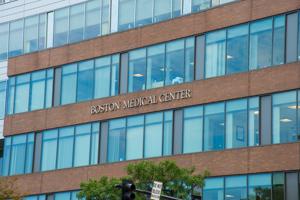
Department of Psychiatry
Related Departments and Programs
Psychiatry
A department providing mental and behavioral health care to improve emotional wellbeing, including therapy for anxiety, depression, and trauma.
Adult Primary Care
Adolescent Medicine
A pediatric primary care program specializing in pediatric and adolescent medicine, offering preventive, reproductive, and mental health care.
Boston STAR Program: Services for Trauma and Resources for Families
Integrated Behavioral Health
Transcranial Magnetic Stimulation (TMS) Clinic

Residencies, Fellowships, and Clinical Training Opportunities
The BMC Department of Psychiatry is deeply committed to educating the next generation of psychiatric and clinical care providers, from medical students and interns to postgraduate and mid-career clinicians. With our exceptionally diverse patient population and wide array of clinical services and research, we provide a unique place to learn. In particular, we offer a psychiatry residency, a family medicine and psychiatry combined residency, and multiple fellowship programs in the areas of addiction psychiatry, community psychiatry, consultation-liaison psychiatry, global health, and multicultural training. We also provide training opportunities for Masters of Social Work and Masters of Mental Health Counseling candidates, pre- and postdoctoral psychologists, and psychiatric nurse practitioners.
For information about clinical training and consultation opportunities at RESTORE, please contact Center Director Sarah E. Valentine, PhD, at Sarah.Valentine@bmc.org.

Program for Research in Implementation Science, Minority Stress & Mental Health (PRISMM)
The mission of PRISMM, a program of BMC and the Boston University Chobanian & Avedisian School of Medicine, is to improve quality of mental health treatment for diverse and underserved populations. To do this, we focus on conceptual research to understand the intersection between discrimination and trauma; stakeholder-engaged tailoring of existing evidence-based treatments; addressing system-, provider-, and patient-level barriers to implementing evidence-based treatments; and conducting effectiveness studies on the application of evidence-based treatments in real-world settings.
Enroll in STEPPS
The Stepped Care for Post-traumatic Stress Disorder Study
Fewer than one in five people with PTSD receive any treatment. STEPPS is a research program aimed at helping more patients receive trauma-focused therapy as part of their routine care. Another goal of this study is to learn the best order in which to provide various trauma-focused therapies, and develop adaptive or “stepped” interventions for PTSD. The program uses digital/online mental health tools and short, focused therapies for PTSD.