Pelvic Floor Recovery and Exercising After Birth

The Fourth Trimester
The three months after your baby is born are sometimes called the “fourth trimester.” Your body went through many changes during pregnancy, and it will take time to heal and feel like yourself again. Be kind to yourself—your body did something amazing. It grew and birthed a baby!
You may feel many emotions and have questions about your body, like what movements are safe, what feels normal, and when to ask for help. It’s important to know what is normal and when to call your provider if something feels wrong.
What Is the Pelvic Floor?
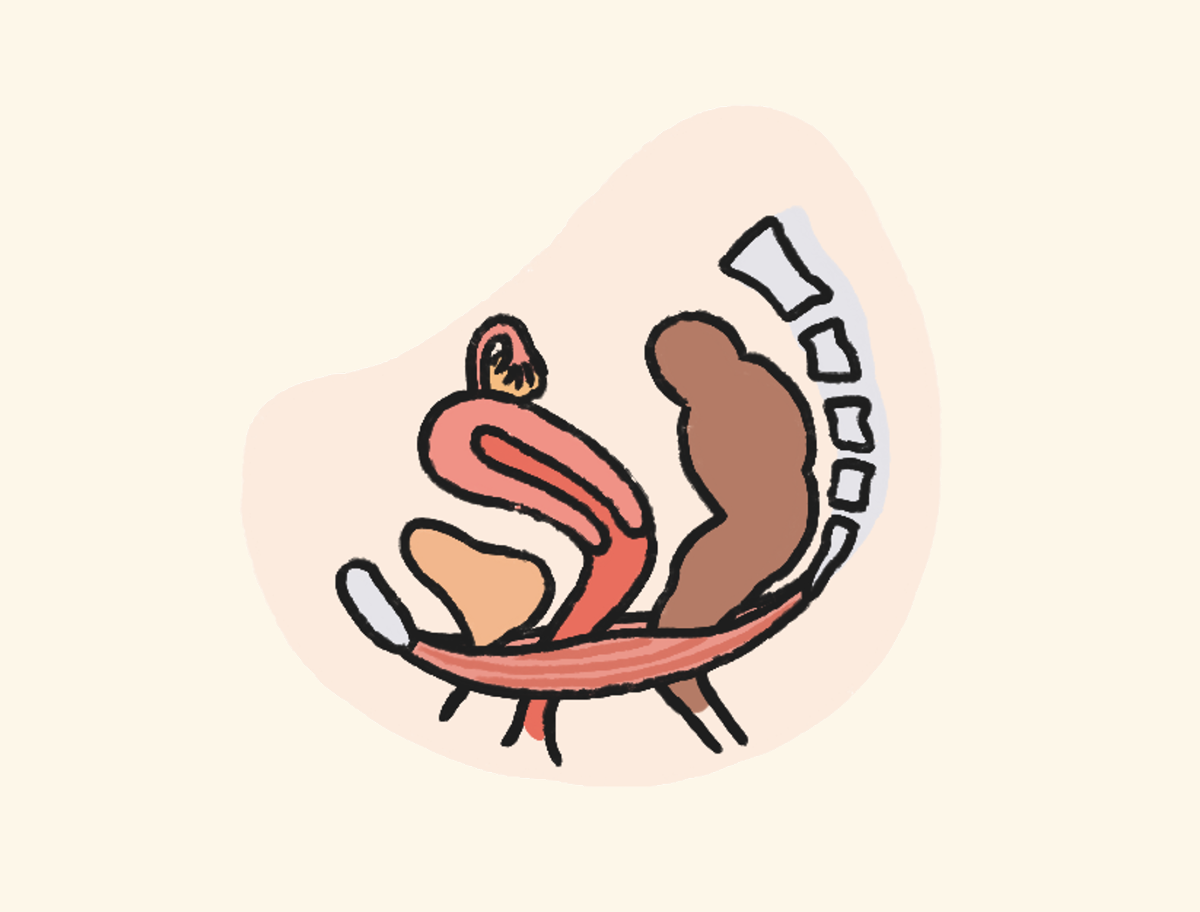
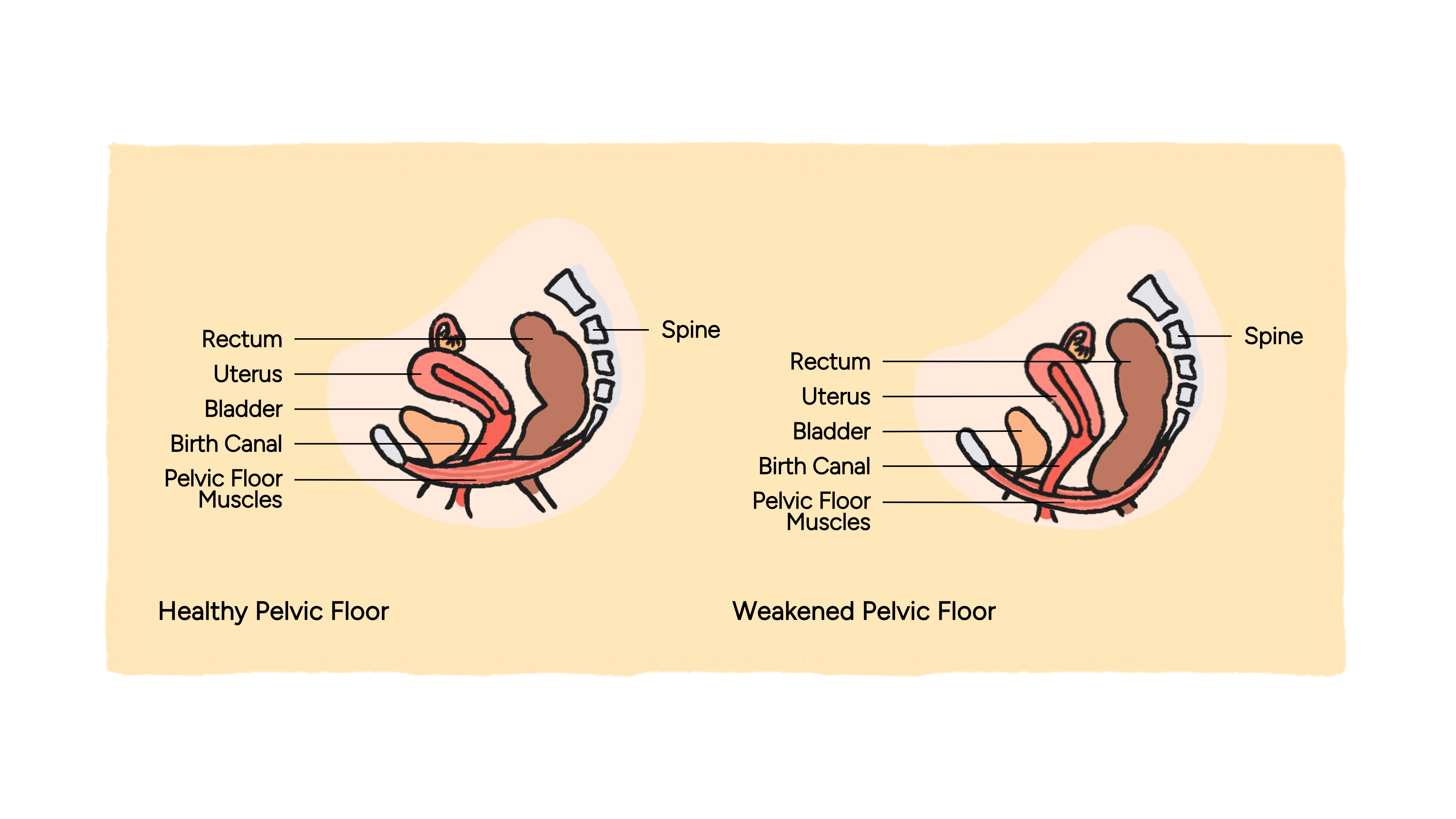
The pelvic floor is a group of muscles inside your pelvis. These muscles help you pee, poop, and enjoy sex. They also support the organs—like your bladder, rectum, and uterus—that help control those body functions. After pregnancy and birth some people will feel pelvic pressure, have trouble controlling their pee or poop, or feel pain. Pelvic floor exercises can help you heal and get back on track.
Pelvic Floor Exercises
Kegel exercises (sometimes just called “Kegels”) strengthen the muscles in your pelvic floor. Over time, Kegels can help with urine leaks and pelvic pain.
How to Do Kegels
- Squeeze the muscles you use to stop peeing. (Do not do Kegels while you are peeing.)
- Hold for five to 10 seconds.
- Relax for five to 10 seconds.
- Keep breathing throughout, with your belly, legs, and butt muscles relaxed.
- Repeat this hold-and-relax 10 times each day.
Healing After Birth: What to Expect
The first 6 weeks after birth can feel different for everyone. It is normal to feel some pain or discomfort. Try to rest, drink lots of water, and take pain medicine if you need to.
What Is Normal?
- Pain in your vagina or perineum, if you had a tear or cut during birth
- Incision pain, if you had a C-section birth
- Mild pelvic pain, lower back pain, upper back pain, and/or hip pain
- Feeling like your muscles are weak
- Pain that gets better over time, not worse
What May Not Be Normal?
Talk to your provider if you are feeling any of these things:
- Peeing too often, or trouble holding your pee
- Leaking pee or poop
- A heavy feeling in your vagina, or feeling like something is falling out
- Pain at your C-section scar that doesn’t get better by 6 to 12 weeks, or gets worse
- Ongoing pain in your lower back or pelvis after 6 to 12 weeks
- Pain with sex
- Pain that is getting worse instead of better
Healing After Birth: A Week-by-Week Guide
First Two Weeks After Birth
- Rest, Hydrate, Sleep, Repeat: It’s important to rest and let your body heal. Don’t be afraid to ask for help or accept help when it’s offered.
- You can take short walks around your home or outside for fresh air and sunlight—about 10 minutes at a time.
- If you want to try some movement, you can try these breathing and stretching exercises:
Weeks 3 and 4 After Birth
- During the third and fourth week after birth, you can usually start walking a little longer. Go for a walk every day!
- Take your baby with you. Walking calms a crying baby, and babies need fresh air.
- Walking also helps a bad mood.
- You can also try light exercises like bridges, squats, and lunges.
Four Weeks After Birth (Week 5)
You can usually start low impact exercise, like using a recumbent bike or elliptical machine.
Six Weeks After Birth
- You can start power walking, Zumba, or dancing.
- You can add light weights or resistance bands to your exercises.
However, wait at least 3 months after birth to start jogging or running. Some people need even more time. And if you want to run with your baby in a stroller, it is safest to wait until your baby is 6 to 9 months old. This helps make sure your baby has good head control.
How Movement and Exercise Help You
Regular movement and exercise can help you:
- Sleep better
- Ease low back pain
- Lift your mood
- Lower the chance of depression after birth
- Lose weight in a healthy way
- Have regular bowel movements (poops)
- Lower your chance of high blood pressure or high blood sugar
Many babies like to watch you exercise or ride in the stroller while you walk. Try your favorite music, invite a workout buddy, or move while you watch TV. Looking forward to some time for yourself can help you make movement a habit.
What Is Diastasis Recti?
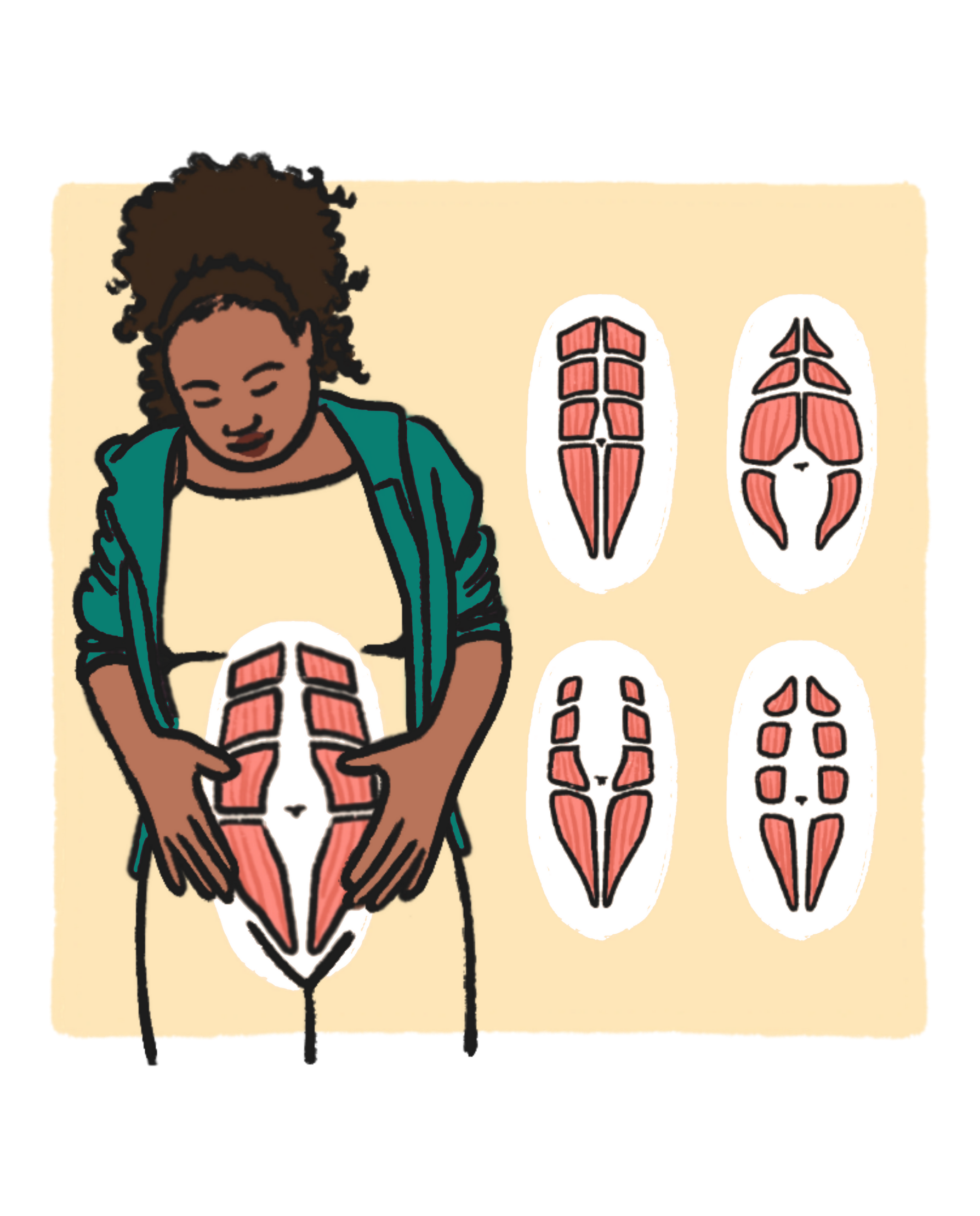
Diastasis recti (DR) means your left and right “six-pack” muscles have moved apart along the middle of your belly. It is common in pregnancy and after birth, and usually gets better over time. You might notice:
- A bulge or “doming” down the middle when you sit up or strain
- Your belly may stick out
- Your core can feel weak
- Low back pain is common
You can do exercises to make your belly (core) stronger, but avoid crunches and sit-ups, because they can put extra pressure on your belly and pelvic floor.
Here are some safe exercises to try if you have diastasis recti:
Common Postpartum Exercise Questions
When Can I Start a Regular Exercise Routine?
- Light walking and gentle stretches are usually safe by about two weeks.
- Most people can start regular exercise around six to eight weeks after birth.
If you had a C-section or any problems, you may need more time—ask your provider.
How Much Should I Exercise?
We recommend 30 minutes a day, at least five days a week. Try:
- Starting with 10 minutes every other day and slowly adding more time.
- Getting up every 30 minutes. You can stand while holding or wearing your baby, walk to fill up a water cup, or sway or dance gently to keep your body in motion.
If something hurts when you are exercising, stop doing that exercise and talk with your care team.
Can I Exercise if I Am Breastfeeding?
Yes, you can exercise while breastfeeding! Exercise does not decrease breast milk production. Try:
- Breastfeeding or pumping before exercising to feel more comfortable.
- Wearing a supportive bra and using nursing pads.
- Drinking lots of water! (Being dehydrated can decrease milk production.) Keep water near where you are exercising.
Additional Exercise Resources
These channels offer short, high-quality exercise routines for people who are pregnant and postpartum:

 Physical Health