Newborn Sleep: What to Expect

Newborn babies sleep a lot! Most newborns sleep 14 to 17 hours each day. Newborns also wake often. This is normal! They wake up many times, day and night.
Keep in mind:
- Babies need to eat day and night.
- Sleep will change as your baby grows. It can take months for the baby to have a normal day and night rhythm.
- Every baby is different. Some sleep more. Some sleep less.
Watch these videos to see what newborn sleep may be like for you.
How Can I Help My Newborn Sleep?
Creating the right sleep space helps keep your baby healthy and lowers the risk of sudden infant death syndrome (SIDS). Your baby should sleep on their back, on their own with no loose blankets or pillows, in a safe sleep space like a crib or pack and play. Read about more steps on how to help your baby rest safely and comfortably.
Here are some more tips for getting your newborn to sleep:
- During the day, open your curtains, keep the lights on, and talk and play with baby when they are awake.
- When baby naps during the day try to lay down and rest or nap. This will help you prepare for nighttime.
- Help your baby sleep before they are very tired. Watch for eye rubbing, yawning, looking away or, fussing.
- Try not to let your baby fall asleep eating or in your arms. This can make it harder for baby to fall asleep on their own.
Create a Short Sleep Routine
- Give baby a bath
- Feed your baby
- Change diaper and swaddle baby.
- Read a short book or sing a song
- Turn down lights and noise
- Put the baby down to sleep awake but drowsy
Adjusting to Your Baby's Sleep Routine
It can be hard for a new parent to adjust to the baby’s sleep routine. Try:
- Resting during the day when baby is napping
- Share caring for baby at night with your partner or support person
- Remember that some nights are harder than others, and sleep gets better as the baby gets older.
Newborns do not know when it is day or night. This can be hard to adjust to as new parents.
In the daytime, your baby may:
- Sleep for one to three hours
- Wake to eat
- Go back to sleep
At night, your baby may:
- Sleep for one to four hours
- Wake to eat
- Need help to fall back to sleep
Sleep Cycles
Babies have short sleep cycles that last about 50–60 minutes. At the end of a cycle, your baby may:
- Move their arms and legs
- Make faces or smile
- Make little sounds or cry out
This does not always mean they are waking up. Wait a few moments. Often your baby will go back to sleep alone.
Light Sleep and Deep Sleep
Babies have light sleep and deep sleep.
In light sleep, your baby may:
- Move a lot
- Breathe fast or slow
- Open their eyes a little
In deep sleep:
- Your baby is still and quiet.
Both kinds of sleep are normal.
Waking Up To Eat
Newborns have small bellies. They need to eat often. Some babies wake up more often than others.
Most newborns wake up to eat:
- Every one to three hours in the day
- Every one to four hours at night
Growth Spurts
A growth spurt is when a baby’s body or brain is growing quickly. Growth spurts are common in the first months. They usually last a few days. Sometimes your baby may:
- Wake up more
- Want to eat more
- Sleep less or seem fussy
How Does Sleep Change as Babies Grow?
By about three months, many babies:
- Sleep longer at night
- Have more set times for naps
By about six months, some babies may:
- Sleep for six to eight hours in a row at night, But not all babies do this. It is still normal for older babies to wake at night.
When To Call Your Baby’s Care Provider
Call your baby’s care provider if:
- Your baby is very hard to wake
- Your baby is too sleepy to eat
- Your baby has trouble breathing
- Your baby is not having wet or dirty diapers like usual
- You are worried or feel something is not right
You know your baby best. It is always okay to ask for help.
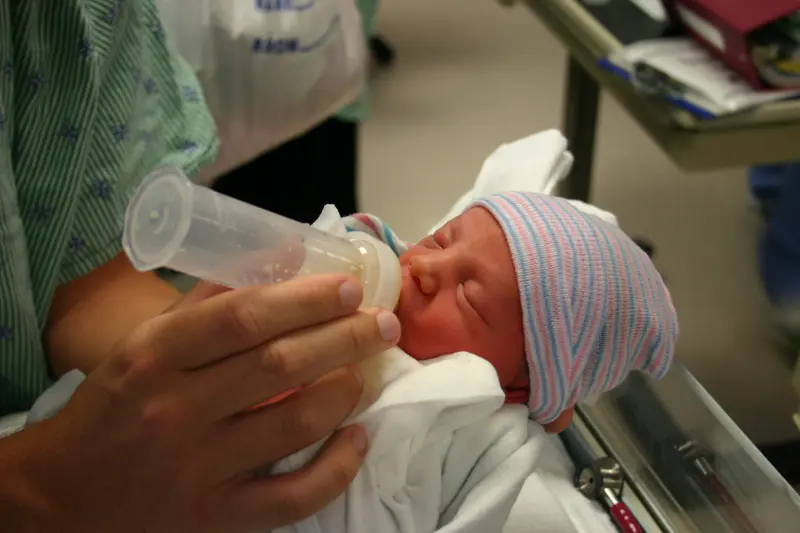
 Getting To Know Your Baby