Different Ways to Feed Your Baby

Every family feeds their baby in the way that works best for them. Some parents breastfeed, some use formula, and others do a mix of both. Whatever you choose, you can keep your baby healthy and growing with the right care and support.
Exclusive Breastfeeding
You only feed breast milk—no formula.
Key Points
- Start feeding early and often.
- Keep breastfeeding even when your baby starts solid foods.
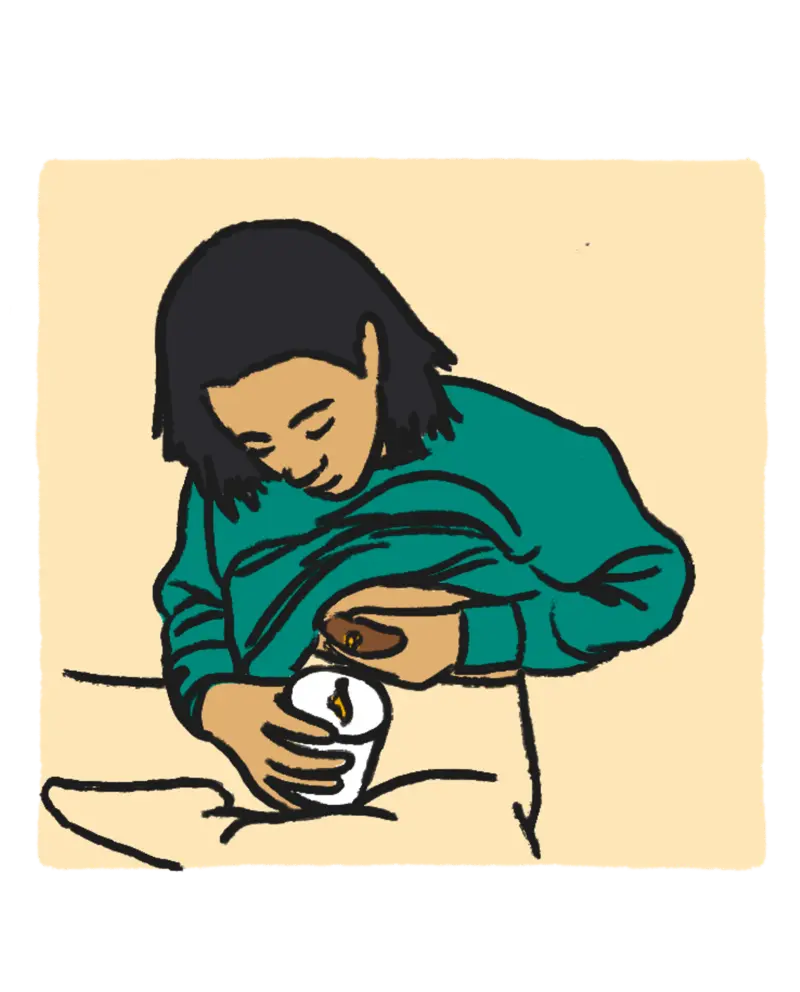
- You can hand-express milk onto a spoon in the early days to help your baby get colostrum and support latching.
- Babies may eat often at first, then settle into a rhythm.
- Babies may wake up often to feed but sometimes sleep for longer stretches.
- Breastfed babies usually eat eight to 12 times a day for about 30 minutes at a time.
- Your care team can teach you how to know if your baby is getting enough milk.
Bottlefeeding with Pumped Breast Milk
You teach your baby to take a bottle with your milk.
Key Points
- Use a breast pump for about 10 minutes after a morning feeding to save milk for bottle practice.
- Start bottle practice about three weeks after birth, once breastfeeding is going well.
- Save extra milk if you plan to return to work or have someone else feed your baby.
- You can use donor milk if you need to give your baby extra milk for any reason.
Exclusive Pumping
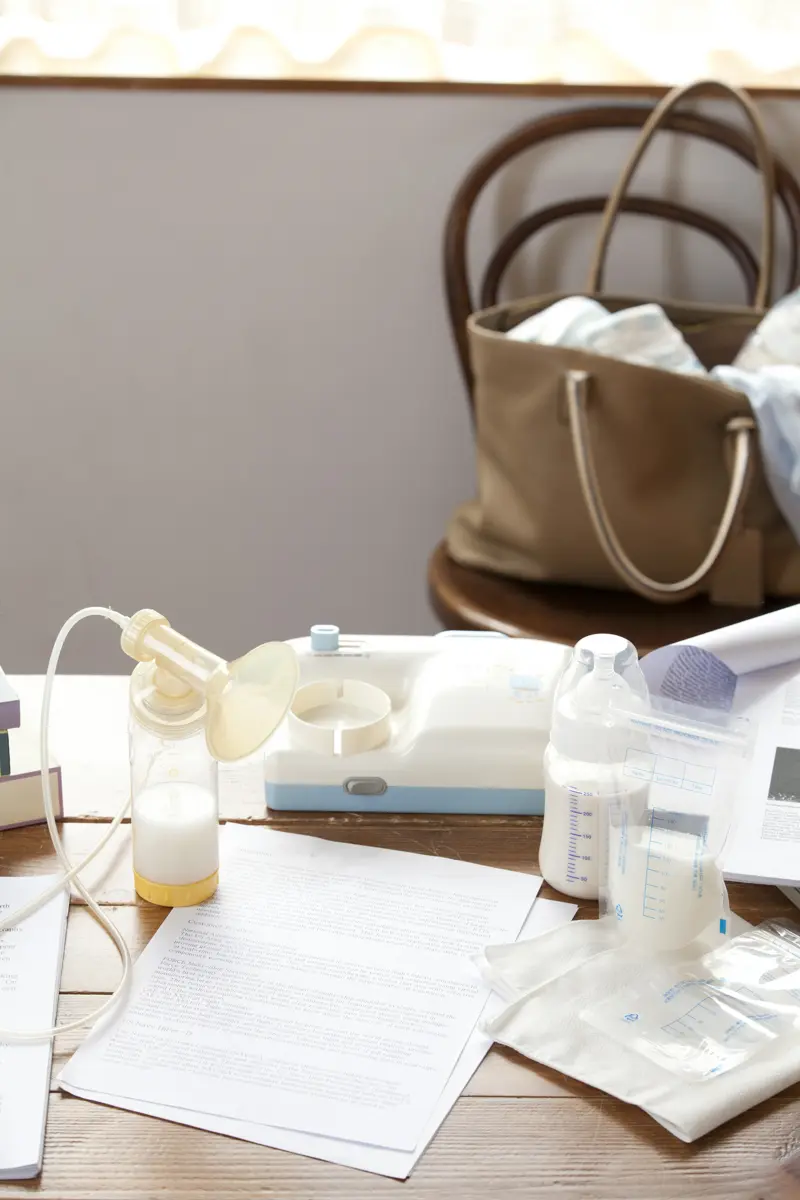
You feed your baby your own breast milk by pumping and putting it in a bottle.
Key Points
- This is ideal for parents who find breastfeeding difficult at first, have had a hospital stay that made it hard to start breastfeeding, or prefer to pump.
- Begin with hand expression and skin-to-skin contact right after birth—this helps your body start making milk.
- Use a double electric pump every two to three hours for about 15 minutes to build a supply.
- After a few days, you can pump every four hours at night.
- If your baby is healthy and full-term, keep pump parts clean by storing them in a clean container in the fridge during the day and washing them at night.
- Try power pumping (pump 10 minutes, rest 10 minutes, and repeat for one hour) to boost milk supply.
- If your breasts feel overly full or you make too much milk, talk to your provider or a lactation specialist.
Mixed Feeding (Breast Milk and Formula)
You feed some breast milk and some formula.
Key Points
- Many families choose to feed both breast milk and formula at different times.
- Babies usually take formula easily because it tastes sweet.
- Feeding often at the breast early on helps build your milk supply.
- You may choose to give formula later in the day when your milk supply is lower.
- Once breastfeeding is going well, you can decide how to combine bottles and breastfeeding in a way that fits your family.
Exclusive Formula Feeding
You feed only formula.
Key Points:
- Formula bottles are available at the hospital—you don’t need to bring your own.
- Your doctor or WIC can help you choose a formula for your baby.
- Your pediatrician will tell you how much and how often to feed.
- Always follow the directions on the formula can to prepare bottles safely.
- Wash bottles and nipples carefully after every use.
- Babies sometimes drink more from a bottle than they need because sucking feels good. After a feeding, a pacifier can help if your baby still wants to suck.
If You Want to Stop Your Milk Supply
Your body will still try to make milk after birth. To help it stop:
- Wear a tight sports bra or chest binder.
- Avoid touching your nipples, even in the shower.
- Use ice packs or cold cabbage leaves on your chest.
- Take ibuprofen if needed.
- Drink peppermint tea or suck on mint candies.
- If your breasts or chest feel very painful, contact your provider—they can help with medicine to dry up milk faster.
Ways to Feed Your Baby: Quick Facts!
Feeding Method | What It Means | Key Tips |
|---|---|---|
| Exclusive Breastfeeding | Feeding only breast milk—no formula |
|
| Mixed Feeding (Breast Milk + Formula) | Feeding both breast milk and formula |
|
| Exclusive Pumping | Pumping milk, then feeding it only by bottle |
|
| Exclusive Formula Feeding | Feeding baby only formula (not milk) |
|
 Feeding Your Baby