Breastfeeding When You Are Sick

Breast milk is the best nutrition for most babies. It can help protect babies from getting sick. There are only rare times when breastfeeding or feeding expressed breast milk is not recommended. But in most cases, it’s safe and encouraged to continue breastfeeding—even if you’re sick or taking a medication.
Is It Okay to Breastfeed if I Am Sick?
For most infections, the answer is yes! Your milk is a living food full of antibodies and protective factors that help your baby fight germs you’ve been exposed to—even the ones that made you sick. Any amount of your breast milk helps protect your baby.
What if I Don’t Have Enough Milk After Getting Sick?
It’s common to see a small drop in milk supply after being sick. If this happens, don't worry!
- Babies often nurse more often for a few days, which helps your supply return.
- If you pump, add two to four extra sessions each day for a few days.
- If supply still feels low, reach out to your lactation or breastfeeding support team.
Feeding Choices if You Are Sick
You can continue to feed your baby safely by choosing the option that feels best for you:
- Direct breastfeeding: Wash your hands before each feed. If you’re coughing or sneezing, wear a mask while holding or nursing your baby.
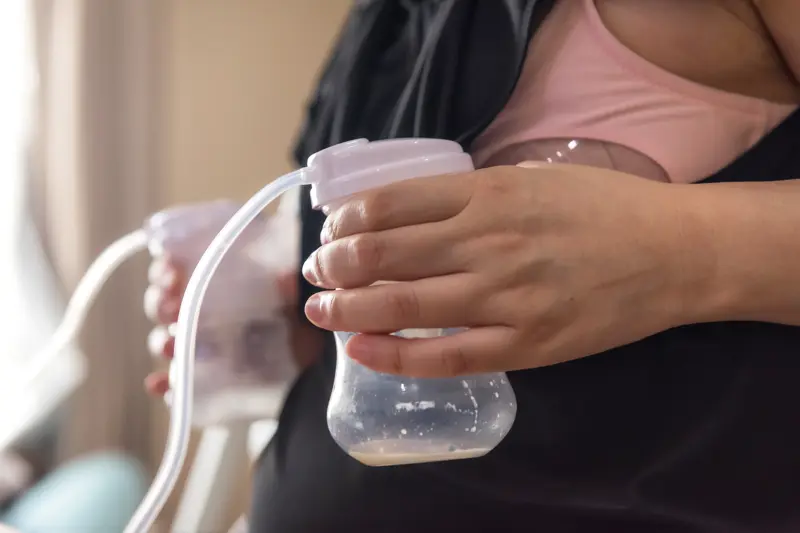
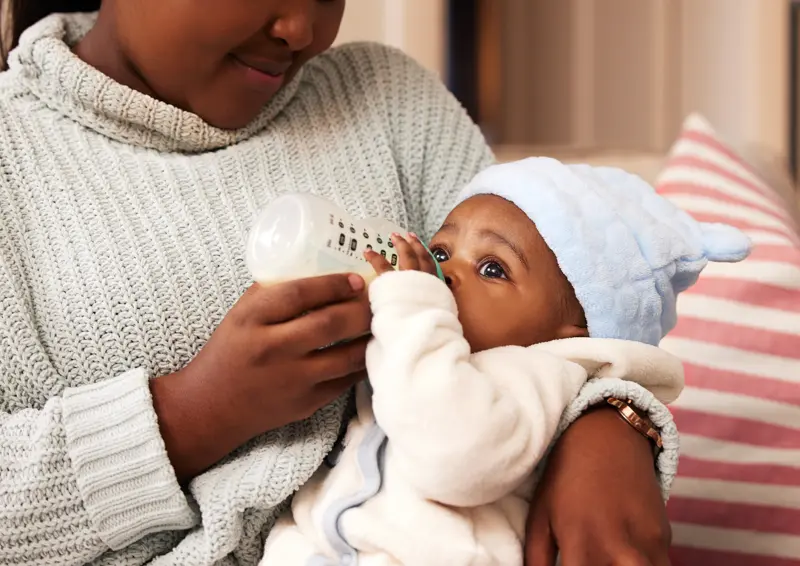
- Pumping breast milk: Wash your hands before pumping. Have a support person or nurse feed your baby by bottle or spoon using your expressed milk.
- Donor milk or formula: If you’re not up for direct feeding or pumping, a support person or nurse can feed your baby donor milk or formula.
What if I Have COVID-19 or the Flu?
Breast milk is still the best food for most babies and helps protect them from illness. COVID-19 and the flu are not spread through breast milk.
The Centers for Disease Control (CDC), World Health Organization (WHO), and American College of Obstetricians and Gynecologists all recommend continuing to breastfeed if you have COVID-19 or the flu. These viruses have not been found in breast milk.
While breastfeeding does bring you close to your baby, you can lower the chance of spreading the illness by taking precautions.
How to Lower the Risk of Passing COVID-19 or the Flu to Your Baby
- Wash your hands before touching or feeding your baby.
- Wear a mask to help stop germs from spreading.
- Keep your baby’s crib or bassinet at least six feet away from you when not feeding.
- If possible, have a healthy helper care for the baby until you feel better and are no longer contagious.
What if I Have Tuberculosis (TB)?
- TB bacteria are not found in breast milk.
- It’s safe to breastfeed if you have latent TB.
- If you have symptoms of active TB (such as cough, fever, or night sweats), contact your care provider and breastfeeding medicine team right away for guidance specific to your situation.
What if I have HIV?
Patients living with HIV should first talk with their provider if they want to breastfeed.
For some people with HIV who are in treatment, breastfeeding can be safe. If you’re being treated and have an undetectable viral load, breastfeeding is generally encouraged and supported.
At BMC, we provide close support for patients with HIV who choose to breastfeed. Your care team—including obstetrics, pediatric infectious disease, and breastfeeding medicine providers—will work together to help you breastfeed safely and protect your baby’s health.
What if I Have Hepatitis?
You can breastfeed safely if you have any form of hepatitis.
The risk of passing the virus through breast milk is very low, and it’s even lower if your baby receives the hepatitis B vaccine after birth.
If your nipples are cracked or bleeding, it’s best to pause direct breastfeeding until they heal.
- During this time, you can pump and discard your milk to keep your supply steady.
- Once healed, you can start breastfeeding again.
To help prevent nipple damage, make sure your baby has a good latch and your position feels comfortable.
 Feeding Your Baby