Having a C-Section

What Is a C-Section?
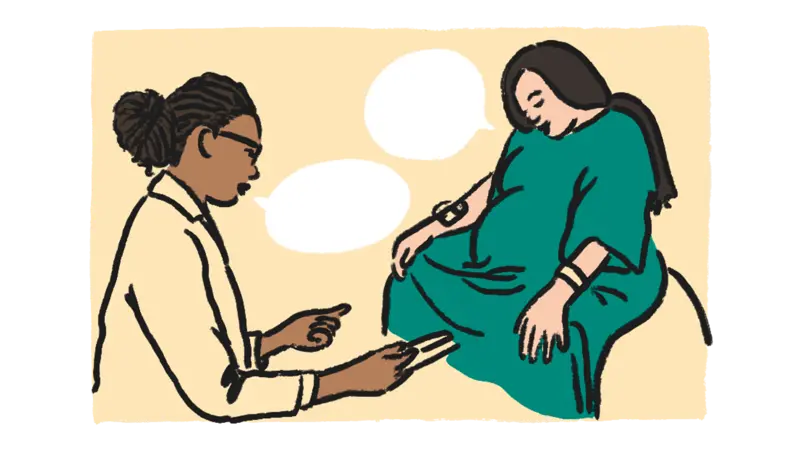
A Cesarean birth (C-section) is a surgery to deliver a baby through the belly.
Most people who go into labor have a vaginal birth. But sometimes, a C-section is the safest way to give birth. In the United States, about one in four people who are giving birth for the first time will need an unplanned C-section. Knowing what to expect can help you feel ready, no matter what happens.
If you’ve had a vaginal birth before, you have a nine in 10 chance of having one again.
If you’ve had a C-section before, you may choose another C-section, or try for a vaginal birth after cesarean (VBAC).
Why Might I Need a C-Section?
Planned C-section
Some people have a planned C-section if:
- They have certain health conditions
- The placenta covers the cervix
- The baby is breech (bottom or feet first)
- They’ve had a C-section before
Unplanned (Emergency) C-Section
Sometimes you plan for a vaginal birth but end up needing a C-section during labor. Reasons may include:
- Labor is not moving forward. This means the cervix is not opening, or the baby is not moving down the birth canal during pushing.
- The baby is showing stress. This means the baby’s heartbeat during labor is not normal, such as being too slow or dropping at times.
True emergencies are rare. Most C-sections are not emergencies.
What Happens in an Emergency?
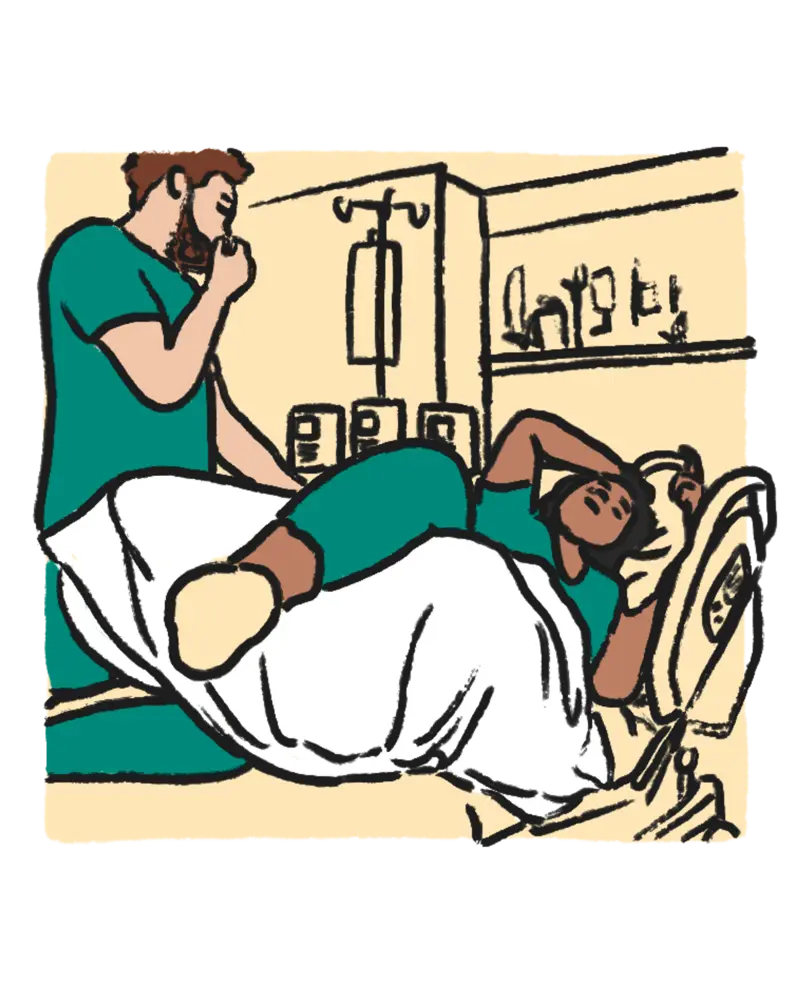
If an urgent C-section is needed, extra staff will come into the room to help.
You may feel scared, worried, or disappointed. That’s normal! But the team is here to help you.
Talking with your support person before the birth about what matters to you can help them support you if something unexpected happens.
What to Expect in the Operating Room
In the operating room (OR), the team may:
- Explain what’s happening.
- Start or check your IV (a small tube in your vein used to deliver fluids or medicine).
- Give you medicine so you don’t feel pain.
- Place a catheter (tube to help you pee).
- Clean your belly and vagina to lower infection risk.
If you are awake, one support person (as well as your doula, if you have one) can be with you once the team is ready.
During the C-Section
- You will lie on your back.
- You may feel pressure or pulling, but not sharp pain.
- The room may feel cold. You can ask for a blanket!
- The team will explain what’s happening.
Your Choices in the Operating Room
You may have choices, such as:
- Who is with you in the operating room
- What type of pain medicine you get
- Whether to play music (that you have chosen)
- Asking the team to talk to you, or stay quiet
- Whether to lower the curtain to see your baby come out
- Who announces the baby’s sex
- Whether to do delayed cord clamping (if safe)
- Whether you want your support person to trim the cord
- Who does skin-to-skin with your baby (you or your support person)
- What to do with the placenta
- How you want to feed your baby (at the breast, or with a bottle of donor milk or formula)
- Whether you want permanent birth control (sterilization) after your delivery
After the C-Section: Recovery Room
You’ll spend about two hours in the recovery room (post-anesthesia care unit, or PACU).
What to expect:
- Your support person can stay with you.
- Nurses will check you often.
- You may shake or shiver, or feel cold or sleepy. This is normal.
- Your baby can stay with you for skin-to-skin if they are doing well.
If Your Baby Needs Extra Care
Sometimes babies go to the neonatal intensive care unit (NICU) for extra medical care or monitoring. This can happen after a C-section or vaginal birth.
If your baby goes to the NICU or if things did not happen as you wanted them to, it is normal to feel sad or worried. Support is available, including:
- NICU social workers
- Angel Eyes cameras, so you can see your baby in the NICU
- Lactation consultants, to help you pump milk or with feeding at the breast or by bottle
Mental Health After a C-Section
After an unplanned C-section, it is normal to have many feelings, and caring for your mental health is just as important as healing your body. Some people may feel happy or relieved, while others may feel sad or disappointed.
Ask for help if you are feeling sad or numb, or need help talking about what happened during your birth.
Learn More about How to Cope after a Traumatic Birth
Questions?
Talk to your doctor or midwife about what matters most to you. Every birth is different—and your voice matters.
 What To Expect During Labor