Preterm Labor and Birth

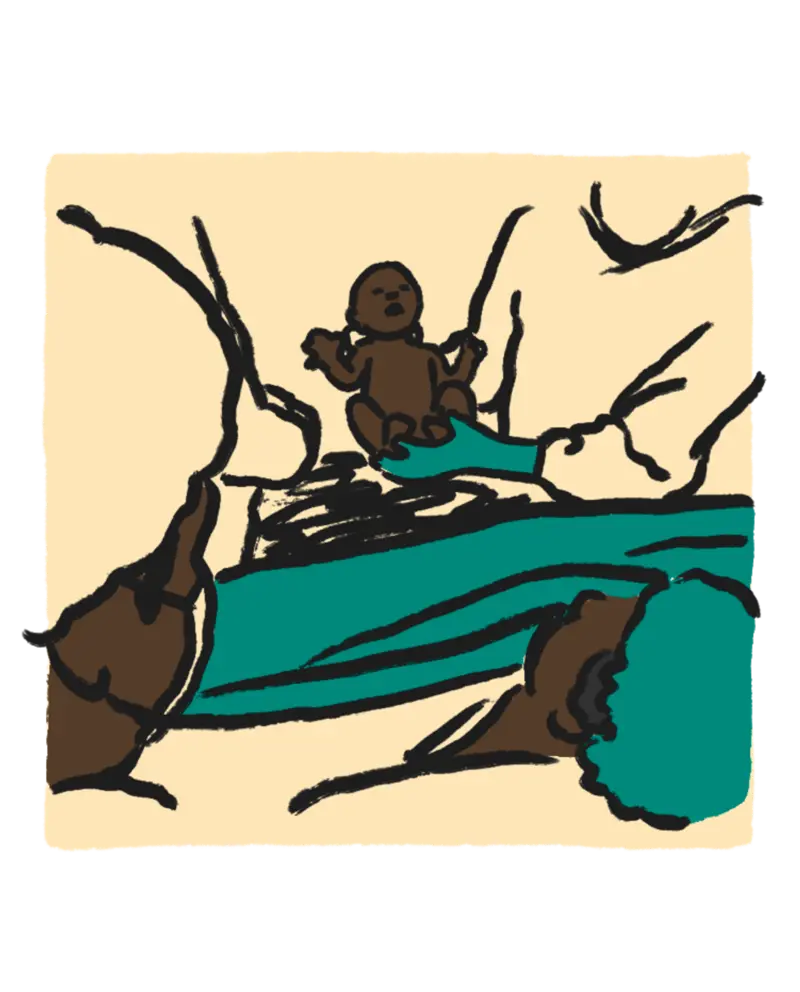
Preterm labor is when your body has signs of labor before 37 weeks of pregnancy. This can lead to a baby being born too early. We usually do not know why someone has preterm labor.
If labor starts early, you should come to the hospital. We may recommend:
- Medicines to try to stop it or slow it down
- Medicines to help baby get ready in case they are born early
What Are the Signs of Preterm Labor?
Signs of preterm labor include:
- Contractions (your stomach gets hard and you feel pain) that happen every 10 minutes or more, and that don’t go away
- Stomach cramps, like when you get your period
- Low, dull backache
- Diarrhea
- Bleeding from your vagina
- Water from your vagina (water breaking)
Learn More
The nonprofit March of Dimes, which focuses its work on prevention of birth defects, has many trustworthy resources on preterm birth and labor:
Watch Video: “Preterm Labor and Preterm Birth: Are You at Risk?”
Learn the Signs and Symptoms of Preterm Labor
View Infographic: Signs and Symptoms of Preterm Labor
Download Handout (PDF, English + Español): Signs and Symptoms of Preterm Labor
How Can I Lower My Chances of Preterm Labor?
You can’t always prevent preterm labor, but there are things you can do to help keep you and your baby healthy:
- Eat healthy foods and drink plenty of water, ideally at least eight cups (64 oz.) per day.
- Don’t smoke, drink alcohol, or use drugs.
- Think about getting your prenatal care with our CenteringPregnancy program.
- Go to all your prenatal visits.
- Take care to manage any health problems you had before pregnancy, like diabetes and high blood pressure.
- Follow your provider’s instructions closely if you have new medical issues during your pregnancy, like gestational diabetes or preeclampsia.
- Try to lower your stress levels.
Tell your provider if you have any pain or bleeding, or feel like something is not right.
What if I Had Another Baby Born Before 37 Weeks?
If you have had a baby born preterm before, you have a higher chance of having another baby born before 37 weeks. It’s important to tell your care team if this happened.
What Can I Do?
If you had a baby born preterm before:
- You may get more ultrasounds to check the length of your cervix. If it is short, we may give you medicine to help prevent preterm labor.
- We may also suggest a stitch in the cervix (cerclage) to help keep the cervix closed.
- You might see a special doctor, called a maternal–fetal medicine specialist, to talk about your last birth and how to help prevent another preterm birth.
What Might Happen at the Hospital if I Have Signs of Labor Before 37 Weeks?
When you come to the hospital, we will:
- Check if your water has broken
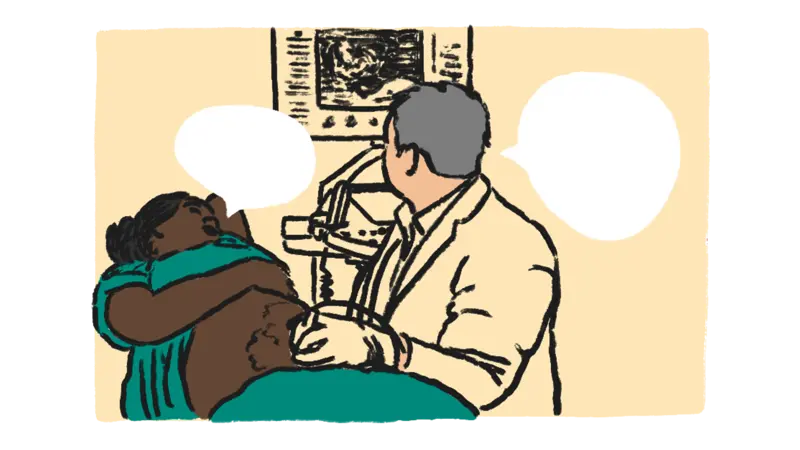
- Test your urine and test for vaginal infections
- Do a vaginal test to see if labor might happen soon
- Check the cervix to see if you are dilated
- Monitor your contractions and baby’s heartbeat
We might:
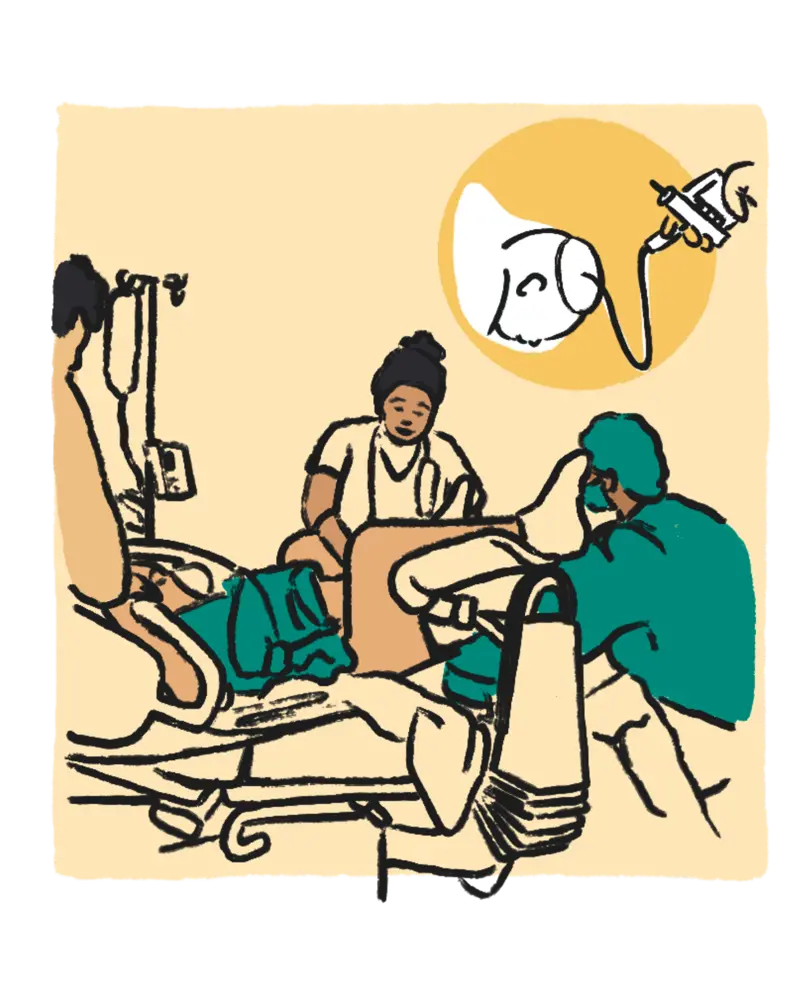
- Give you medicine to help stop your contractions
- Give you medicine to help your baby’s lungs grow if birth may happen early
If preterm labor can not be stopped:
- We will help you give birth to your baby. This may be a vaginal birth or a cesarean birth.
Preterm Babies
Preterm babies need extra care. They will usually spend time in the Neonatal Intensive Care Unit (NICU). Nurses will teach you how to do skin-to-skin for your preterm baby.
Breastmilk is extra important for babies that are born early.
 Complications