Gestational Diabetes: What Does It Mean for You?

What Is Gestational Diabetes?
Gestational diabetes (GDM) is a type of diabetes that happens during pregnancy. Pregnancy hormones can make it harder for your body to use its natural insulin. This can cause sugar to build up in your blood. When blood sugar stays too high for too long, it can cause health problems for both you and baby.
How Can Gestational Diabetes Affect Me and My Baby?
It can feel worrisome to hear you have gestational diabetes. While there are risks, if your blood sugar is in a healthy range with food, movement, and medicine (if needed), the risks to you and your baby are low.
Risks include:
- High blood pressure or preeclampsia for you (10–15 percent)
- Early (premature) birth (eight to 18 percent)
- Large baby (10–20 percent)—this can increase the chance of a C-section or difficult birth
- Problems for the newborn, like low blood sugar, low temperature, breathing problems, jaundice, and needing to be cared for in the newborn intensive care unit (NICU)
- Diabetes later in life for you (up to 50 percent) or your baby
- Stillbirth. This is rare, but the chances do increase from four in 1000 (0.4 percent) to six in 1000 (0.6 percent)
Why Do Some People Get Gestational Diabetes?
About six to eight percent of pregnant people get gestational diabetes. Your risk for gestational diabetes is higher if you:
- Are from certain higher-risk racial or ethnic groups
- Have parents or siblings with diabetes
- Have polycystic ovary syndrome (PCOS)
- Have high blood pressure
- Are overweight or obese
- Have pre-diabetes, or you had gestational diabetes in a previous pregnancy
- Have previously given birth to a baby that weighed more than 9 pounds
- Are pregnant with twins
- Are not doing much daily movement or exercise
What Do I Do During Pregnancy if I Have Gestational Diabetes?
Gestational diabetes can be kept under control with diet, movement and exercise, and medicine.
Check Your Blood Sugar
- Check your blood sugar four times a day. A nurse will teach you how.
- You may use a blood glucose meter, or a continuous glucose monitor (CGM).
- You want most of your blood sugar results to be in the target range:
- Before eating (after eight hours without food): Less than 95
- One hour after eating: Less than 140
- Two hours after eating: Less than 120
- Write your results down to review with your healthcare provider.
Eat Balanced Meals and Snacks
Healthy food choices help keep your blood sugar levels steady.
Watch Videos on the Plate Method for a Healthy Diet
Learn More about GDM-Friendly Meal Planning
Exercise and Move Your Body
Many exercises are safe during pregnancy. You can continue your regular exercise or start a gentle routine.
We recommend 30 minutes of exercise a day or 180 minutes every week. Watch this video on the importance of exercise if you have gestational diabetes.
See Our Recommendations for Exercise during Pregnancy
Gain the Right Amount of Weight in Pregnancy
Learn more about what the right amount of weight gain is for you.
Go to All Your Prenatal Visits
Your care team will check your blood sugar and review your diet. Together, you will decide if medicine is needed to help keep your blood sugar normal.
Extra Ultrasounds and Tests
You will need extra ultrasounds to check baby’s weight.
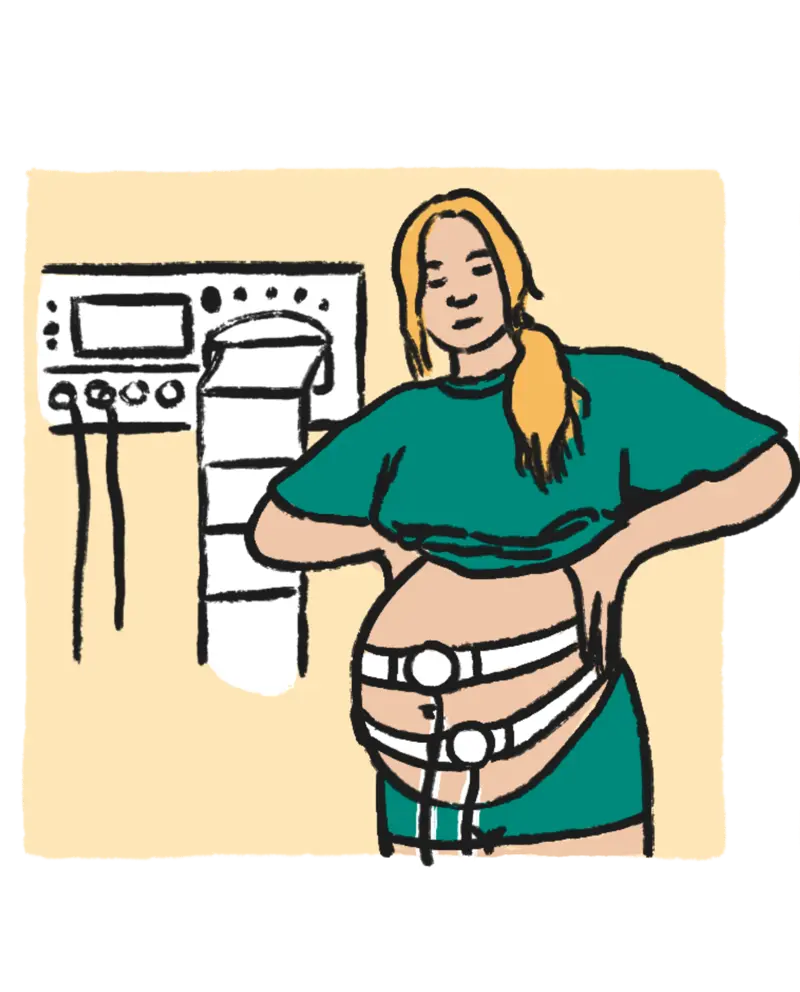
Towards the end of your pregnancy, your care team will do fetal monitoring or non-stress tests one or two times a week to check your baby’s well-being.
What Do I Do After Birth if I Have Gestational Diabetes?
If you have gestational diabetes, it's important to take care of yourself after you give birth as well.
Get a Test
Some people’s blood sugar goes back to normal after pregnancy, but some people may still have diabetes. Get a blood sugar test six weeks after you give birth. This is a two-hour oral glucose test, like the one that is given during pregnancy.
Continue Healthy Habits
If your blood sugar is normal, you do not have diabetes. However, once you have had gestational diabetes, your risk of developing diabetes later in life stays higher.
You can help prevent diabetes by continuing with the healthy habits you learned during your pregnancy. Healthy foods, exercise, and medicines (if you need them) will help keep you healthy!
Schedule Regular Check-ups
If your test shows high blood sugar, you may have diabetes. You will get a referral to a dietitian or diabetes educator for support. Plan on getting your blood sugar and blood hemoglobin A1c tested every one to three years.
 Medical Care