

The Boston Birth Cohort (BBC) is one of the nation’s largest and longest-running studies of pregnancy and child health. Since 1998, more than 8,700 families have partnered with researchers at Boston Medical Center (BMC) and the Johns Hopkins Bloomberg School of Public Health in Baltimore, Maryland, to help us better understand how pregnancy and early-life experiences influence health throughout life.
Today, many of the children who joined the study have grown into adults—and some are now parents themselves. Together, we are proud to be following three generations of families.
Our Mission
By understanding how early-life exposures influence health, we hope to prevent childhood and adult diseases and promote lifelong wellbeing.
Our Research Projects
Autism Data Engagement and Partnership Team (ADEPT)
The Autism Data Engagement and Partnership Team (ADEPT) study is a brand-new research project that is currently recruiting!
We are holding research focus groups at Boston Medical Center, with the goal of making sure that key information about autism research design and findings are effectively communicated from the autism community to researchers and from researchers back to the community.
We are hoping for broad participation from the autism community. Participation in the Preterm Birth or Children’s Health Study (our previous studies) is not necessary to be eligible to participate.

Are you Eligible to Participate?
You may be eligible if you are:
- A person who has a diagnosis of Autism
- A patient at Boston Medical Center
- 18 years of age or older
- Able to speak or communicate in English
Or, if you are:
- A caregiver of someone with autism who receives care at BMC and speaks English
- An educator, healthcare provider, or professional who supports children or adults with autism
If you are interested in sharing your expertise to help guide how autism research is planned, understood, and shared, please email AutismBoard_interest@bmc.org to see whether you are eligible to participate, or find out more about our work.
Informational Flyers



View or download our informational flyers targeted to patients, caregivers, and healthcare providers:
For Patients
For Caregivers
For Providers
Autism Community Advisory Board
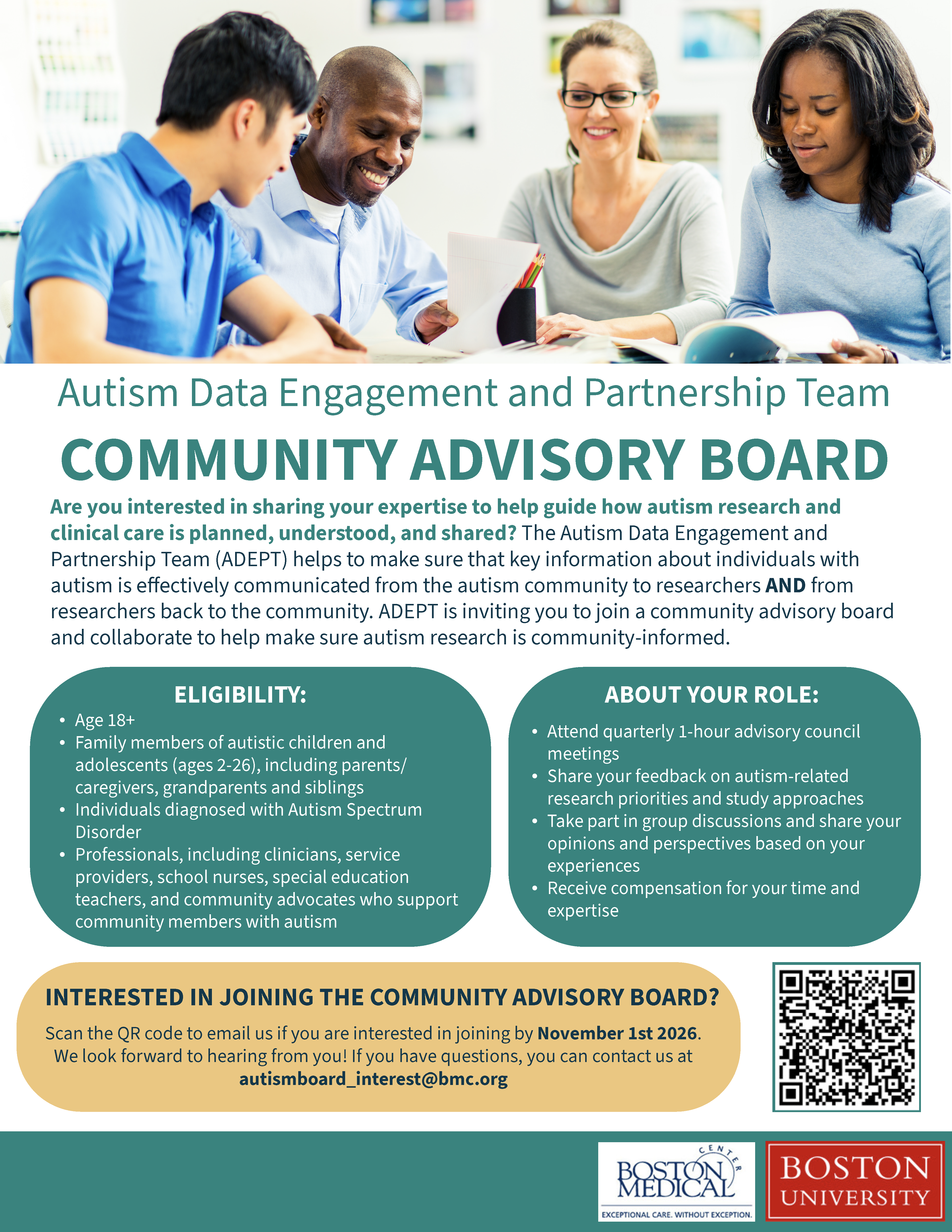
Are you interested in sharing your expertise to help guide how autism research and clinical care is planned, understood, and shared? ADEPT is seeking members for our Community Advisory Board. Collaborate with us to help make sure autism research is community-informed!
About the Role
As a member of the Community Advisory Board, you can expect to:
- Attend 1-hour advisory council meetings four times per year (quarterly)
- Participate in group discussions and share your opinions and perspectives based on your experiences
- Share your thoughts about autism-related research priorities and study approaches
- Receive compensation for your time and expertise
Who Is Eligible?
To join the Community Advisory Board, you must be:
- Age 18 or older
- And either:
- An individual who has been diagnosed with Autism Spectrum Disorder (ASD)
- A family member (parent, caregiver, grandparent, or sibling) of an autistic child or adolescent (ages 2–26)
- A professional who supports community members with autism in their career—this includes clinicians, service providers and therapists, school nurses, special education teachers, and community advocates
How to Apply
If you are interested in joining (or have any other questions), please let us know by emailing autismboard_interest@bmc.org before November 1, 2026.

Preterm Birth Study (PTB)
The Preterm Birth Study (PTB) explores the causes and consequences of preterm birth, one of the leading challenges affecting the health of mothers and babies.
Preterm births remain a challenge in preventing and understanding due to its complex causes. By comparing babies born prematurely with similar babies born at full term, we study differences in genes, the body’s natural processes, and environmental exposures—such as air quality, neighborhood conditions, and other factors that may affect health. What we learn may help improve the prevention, treatment, and care of preterm birth for future families.
This type of study design is called Case/Control design. That means some babies in the Boston Birth Cohort were born early, while others were born at or near full-term. By comparing these two groups, researchers can look for differences in health, pregnancy experiences, environmental exposures, and biological factors.
To date, we have enrolled 8,700 mothers and infants in the Preterm Birth Study after delivery at Boston Medical Center. Approximately 20 percent of the mother–newborn pairs recruited in the Preterm Birth Study were born preterm.

Children’s Health Study (CHS)
The Children’s Health Study (CHS) is a long-term follow-up study of children who were enrolled at birth in the PTB study and who continue to receive care at BMC. This project focuses on early childhood exposures that may affect mothers’ and children’s health over their lifetimes.
Many enrolled children are now adults, with some even becoming parents themselves!
We recently began following a third generation of families to better understand how health and illness may be influenced through generations.
Our Team
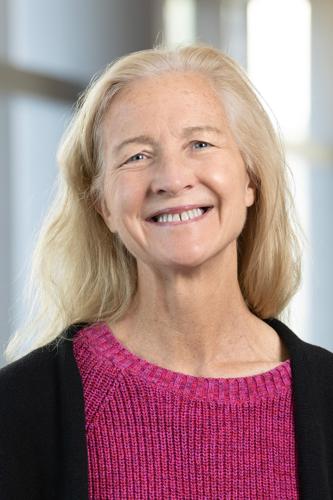
We are a team of researchers who work in many clinics and departments across Boston Medical Center and in partnership with the Johns Hopkins Bloomberg School of Public Health in Baltimore, Maryland.
At BMC, we work with clinic staff and providers to connect with patients and ensure that ongoing participation in our study is convenient for busy families.
Principal Investigators (PIs)

Study Staff
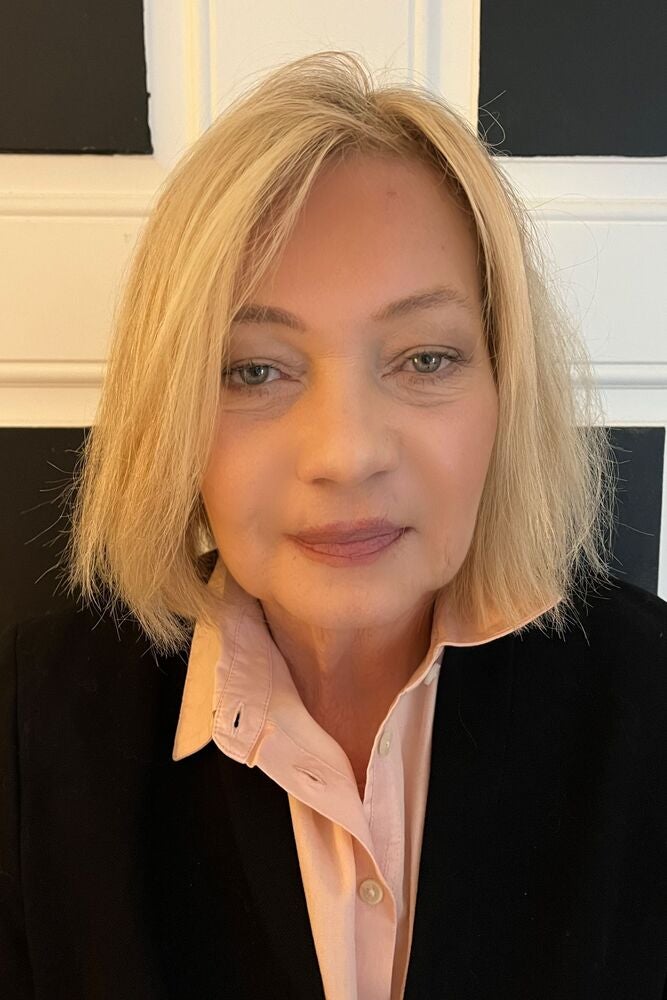
Colleen Pearson
Project Manager, Boston Birth Cohort Research Study
Colleen Pearson is the Project Manager for the Boston Birth Cohort (BBC). With more than two decades of experience supporting clinical research at Boston Medical Center, Colleen oversees the day-to-day operations of the study, ensuring that research activities are coordinated efficiently and that participants, data, and biospecimens are managed with the highest standards of quality and care.
Colleen works closely with investigators, research staff, and collaborators to support the successful implementation of BBC research initiatives. She also provides operational support to the analytical team at the Johns Hopkins Bloomberg School of Public Health, facilitating data access, study coordination, and collaboration to advance discoveries that improve maternal and child health.
Through her work, Colleen helps connect the many teams involved in the Boston Birth Cohort, supporting research that aims to better understand how early-life experiences influence health across the lifespan.
Publications
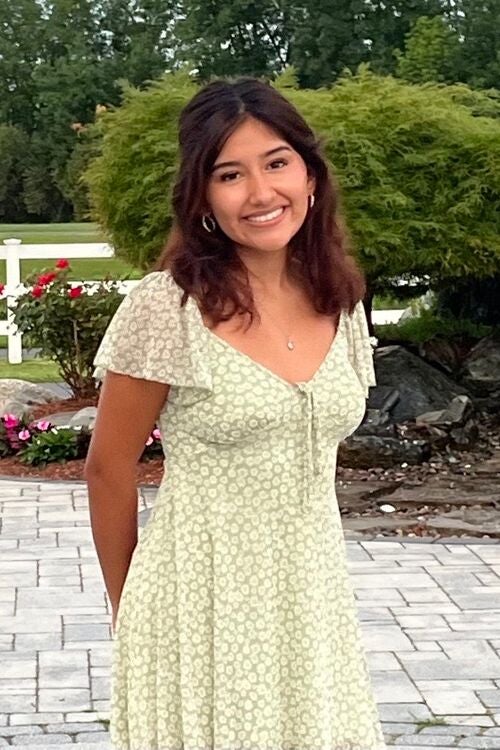
Leslie Azurdia
Clinical Research Assistant, Boston Birth Cohort Research Study
Leslie is responsible for participant recruitment and biospecimen collection and supporting the day-to-day operations of clinical research studies.
Leslie completed her undergraduate degree at Emmanuel College in 2025. She is passionate about advancing maternal and pediatric care through research, particularly in underserved communities. She also volunteers at Boston Children’s Hospital, where she spends time playing with, comforting, and cuddling newborns and infants in the surgical unit.
In her free time, Leslie enjoys hiking, birdwatching, dancing, knitting, and watching movies with her family.
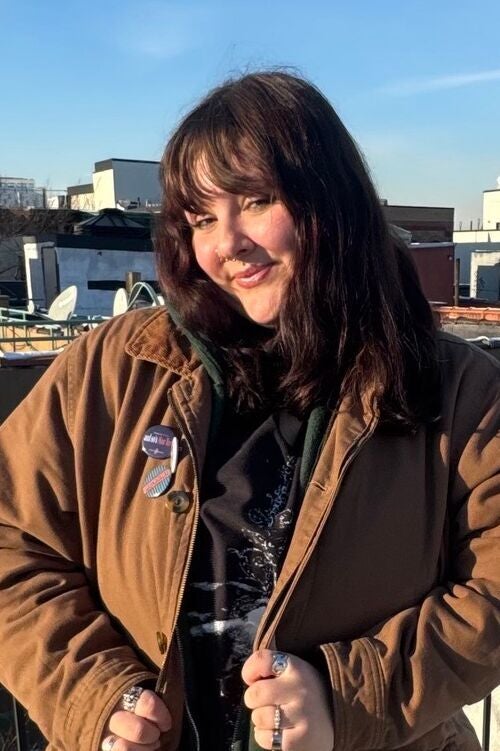
Kendal Evans
Clinical Research Assistant, Boston Birth Cohort Research Study
Kendal is responsible for participant recruitment, biospecimen collection, and supporting the day-to-day operations of our clinical research studies. She is particularly interested in child neurodevelopment and psychology.
Kendal completed her Bachelor of Arts in Psychology at Boston University in 2026. She is passionate about advancing pediatric health through research that supports healthy development and addresses the impacts of environmental and socioeconomic factors on the developing brain and body.
In her free time, Kendal enjoys attending concerts, trying new restaurants, traveling, spending time with friends, and exploring nature.
Participation from Mothers and Children
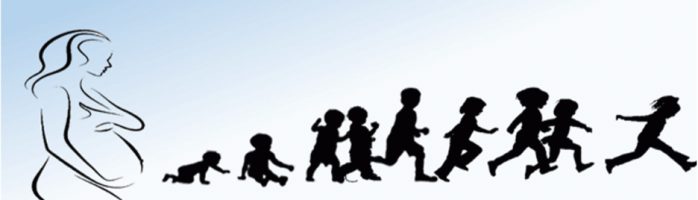
We would like to thank all the mothers and children who participate in our studies. Thank you for helping us advance research that will benefit children and families for generations to come!
Why do we ask both mothers and children to participate?
Because your family’s health story is connected.
Health doesn’t begin when we are born. It begins during pregnancy and continues to be shaped by our experiences as we grow. What happens early in life can have lasting effects on our health—and may even affect future generations. That’s why we learn from mothers, children, and now grandchildren. By following families over time, we can better understand how early experiences, genetics, and the environments where we live and grow can shape health across generations.
Together, we are learning:
- How pregnancy and early-life experiences can shape lifelong health
- What causes premature birth and how being born early can affect health and development
- How our genes and the environment work together
- How children grow, learn, and develop
- Why some people develop certain health conditions while others do not
- How the places where we live, learn, and grow can affect our health
- How what we learn today can help improve health for future generations
Your family helps make this research possible.
Every family brings a unique story. By sharing your experiences and participating over time, you help researchers see the bigger picture—one family, one generation, and one story at a time.
The Data We Collect
As part of the Preterm and Children’s Health studies (PTB and CHS), we collect biological samples from mothers and children each year. These samples allow us to understand how your body is working and how mothers’ and children’s health changes over time.
By studying samples from both mothers and children, we can learn how a mother’s health during pregnancy and beyond may influence a child’s growth, development, and long-term health.
Preterm Birth Study
The Preterm Birth Study (PTB) explores the causes and consequences of preterm birth, one of the leading challenges affecting the health of mothers and babies.
By comparing babies born prematurely with similar babies born at full term, we study differences in genes, the body’s natural processes, and environmental exposures—such as air quality, neighborhood conditions, and other factors that may affect health.
Children’s Health Study
The Children’s Health Study (CHS) is a long-term follow-up study of children who participated in the Preterm Birth Study at birth and continue to receive care at Boston Medical Center. The CHS looks at how experiences and exposures during pregnancy and early childhood may affect health throughout life.
Understanding Mother and Child Health Together
A mother and child’s health are closely connected. What happens before and during pregnancy can affect a child’s health, while a child’s health and development can also affect a mother’s wellbeing. Following mothers and children over time helps researchers understand how these connections change throughout life and what factors may help both mothers and children stay healthy.
What Have We Learned?
Your participation has helped us for more than two decades to reach scientific conclusions that can improve the health of parents and children worldwide.
Here are some of our most recent scientific conclusions (peer-reviewed and published in respected scientific journals):

Diet during Pregnancy Could Impact Social and Communication Skills in Children

Exposure to “Forever Chemicals” during Pregnancy May Make Vaccines Less Protective for Children

Less Exposure to Heavy Metals during Pregnancy Could Mean a Lower Risk of Early Puberty in Children

Our Research
In 1998, the Boston Birth Cohort (BBC) was initiated at Boston Medical Center (BMC) in response to persistently high rates of preterm birth (PTB, defined as birth before 37 weeks of gestation) in the US population and the longstanding profound PTB disparity among Black, Indigenous, and people of color (BIPOC).
The BBC encompasses two linked study protocols: The Preterm Birth Study serves as the baseline recruitment in the BBC. It aims to address fundamental questions about the causes and consequences of PTB. The study oversamples preterm babies using a case/control study design, in which cases are defined as mothers who deliver a preterm and/or low birthweight baby (<2500 grams regardless of gestational age). Controls are enrolled at a 2:1 control/case ratio and matched by maternal age (±5 years), self-reported race and ethnicity, and date of delivery (± 7 days for case delivery). From inception, it was designed as a comprehensive gene-environmental study of PTB. As a natural extension, the Children’s Health Study, under a separate but linked IRB protocol, is a longitudinal follow-up study of the participants who were recruited at birth in the Preterm Birth Study and who continue pediatric care at BMC. This linked model allows for investigation of early life origins of pediatric and chronic disease in a prospective cohort design.
The BBC is one of the largest and longest NIH-funded prospective birth cohort studies in the US, consisting of 8733 mother-child dyads enrolled in the Preterm Birth Study at birth, and of those, 3,592 children have been enrolled in the Children’s Health Study, with a median follow-up of 14.5 years. The BBC mirrors the urban, under-resourced and underrepresented BIPOC population served by BMC. A high proportion of BBC children were born prematurely and had chronic health conditions (e.g., asthma, obesity and elevated blood pressure) in childhood.
The BBC’s long-term goal has been to build a large, comprehensive database (epidemiological, clinical, multi-omics) and biospecimen repository to elucidate early life origins of pediatric and chronic diseases and identify modifiable upstream factors (e.g., psychosocial, environmental, nutritional) to improve health across the life course for BIPOC mothers and children.
Topics We Are Investigating
We are interested in how our environment and genes impact health over the life course, as well as how we can best engage our community and communicate findings with them.
Specific areas we have explored over our decades of research include:
- Prenatal, perinatal, and birth health outcomes
- Allergies, asthma, and upper and lower airway conditions
- Neurodevelopmental outcomes, including autism and Attention Deficit Hyperactivity Disorder (ADHD)
- Nutrition, obesity, diabetes, high blood pressure, heart disease, and stroke
- Puberty and early-life risk factors
- Impact of COVID-19 on maternal and child health
- Best practices for research on Autism (ASD) and communicating scientific findings with the community
You can review a full list of our publications on the website of our research partner, the Center on the Early Life Origins of Disease at the Johns Hopkins Bloomberg School of Public Health.
Currently Funded Projects
- NIH 1OT2OD040418-01. Boston Birth Cohort—Autism Data Science Initiative (BBC-ADSI)
- 09/1/2025 – 08/31/2028
- The BBC Autism Data Engagement Partnership Team (ADEPT) will work in partnership with the autism community to help shape the direction of the research and ensure that the perspectives of autistic individuals, caregivers, and service providers inform the initiative.
- HRSA 1 UT7MC45949-01. Autism Longitudinal Data Project
- 09/01/2022 – 08/31/2027
- The primary goal of this project is to transform the Boston Birth Cohort into a well-phenotyped longitudinal cohort for autism research, with a focus on linking early life factors to elucidate origins and developmental trajectories of ASD and other DD across the life stages.
- NIEHS U01ES034983. Immune Development across the Life Course: Integrating Exposures and Multi-Omics in the Boston Birth Cohort
- 7/01/2022 – 6/30/2027
- We aim to advance our understanding of immune development and health consequences from in-utero to age 18 years. We seek to gain new insight into the impact of the complex interplay between maternally transmitted antibodies, individual multi-omics and environmental exposures on immune development and important clinical outcomes, including antibody response to vaccines, clinically diagnosed viral or bacterial infections, and atopic diseases.
- NICHD 2 R01HD041702-17. Preterm Birth and Child Long-term Cardiometabolic Risk: Integrate Proteomics with Birth Cohort
- 04/01/2022 – 3/31/2027
- Preterm birth (PTB) affects 1 in 7 Black babies born in the US. This study addresses critical questions regarding the preterm origin of cardiometabolic risk in children in the Boston Birth Cohort.
Quarterly Newsletter
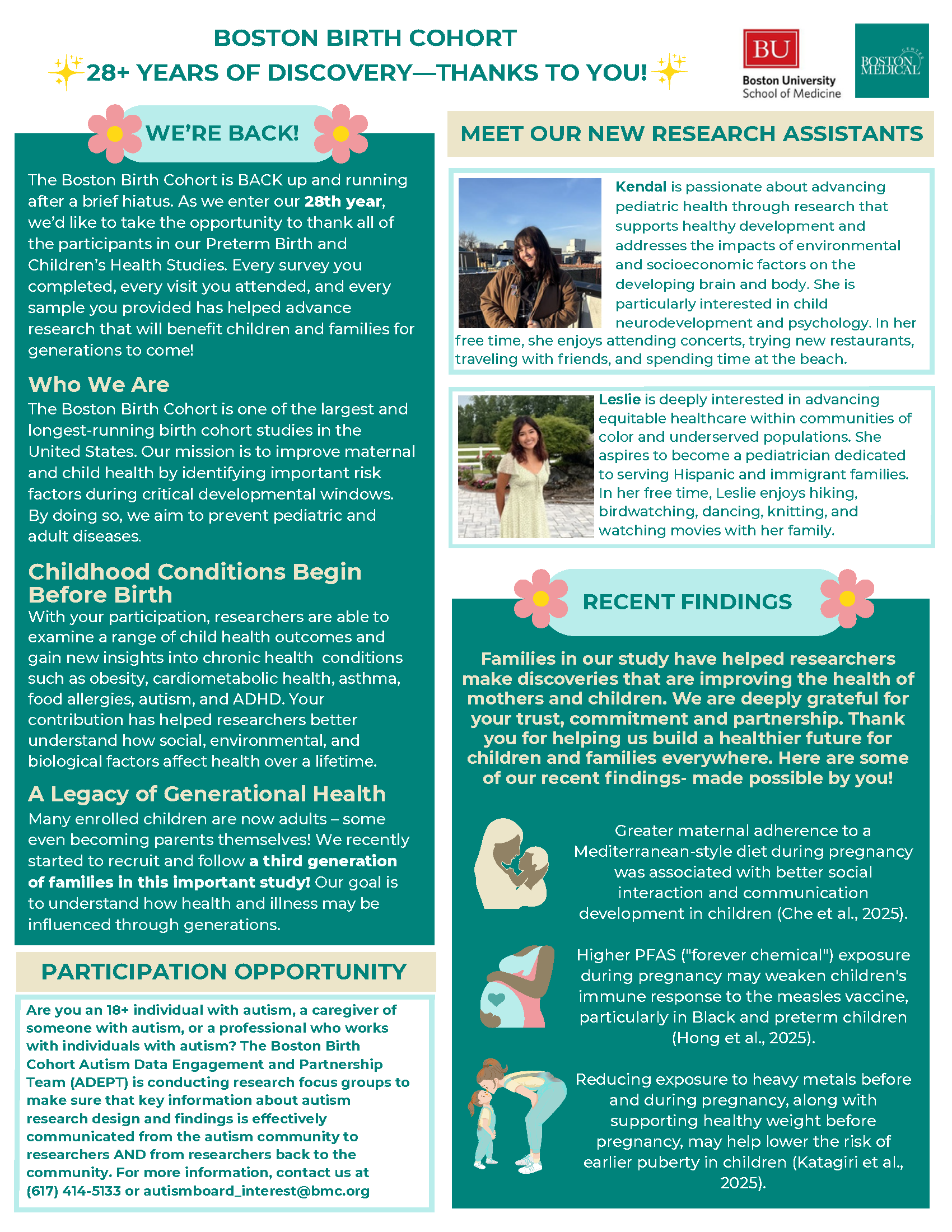
We publish a quarterly newsletter (PDF) for our study participants. Download recent issues:
If you would like to subscribe, please email BBC_participants@bmc.org.

Contact Us
We deeply appreciate your contributions, and together, we aim to improve the health of future generations.
For current participants and general inquiries:
BBC Field Team (Research Assistants): BBC_participants@bmc.org
This email connects you with Boston Birth Cohort research staff who regularly interact with study participants. Please reach out if you have any questions related to this study!
For clinicians, researchers, and scientific collaboration opportunities:
BBC Field Project Manager: BBC_participants@bmc.org
This email connects you with our Project Manager, Colleen Pearson. We’re happy to share resources and look forward to collaborating!