
About
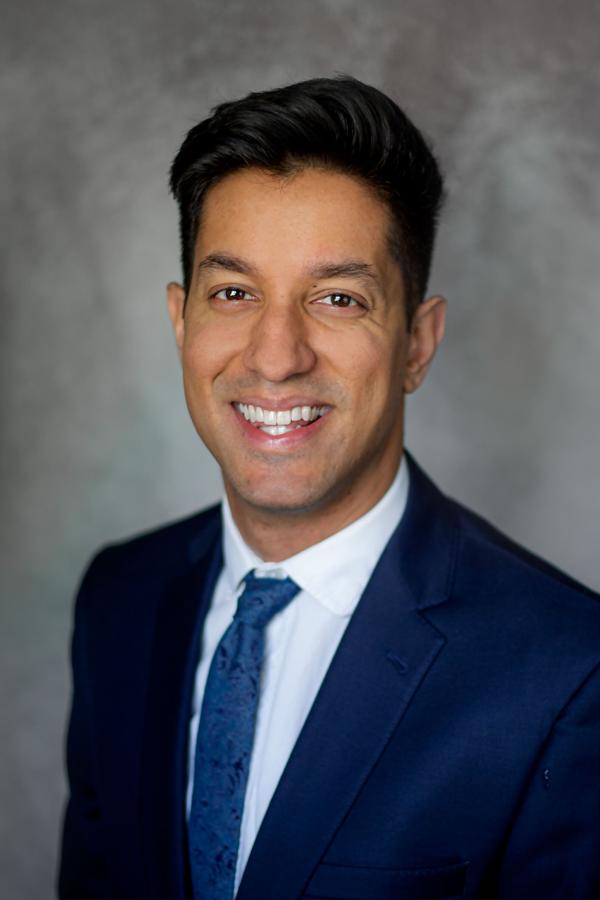
Rohan Khazanchi, MD, MPH, is an adult and pediatric hospitalist at Boston Medical Center (BMC) and a health policy research fellow in the Department of Population Medicine at Harvard Medical School and Harvard Pilgrim Health Care Institute.
Rohan earned his medical degree from the University of Nebraska Medical Center in Omaha and his Master of Public Health (MPH) degree from the ... University of Minnesota School of Public Health in Minneapolis. He completed internal medicine and pediatrics residency training via the Harvard Combined Med-Peds Residency Program at Brigham & Women’s Hospital, Boston Children’s Hospital, and Boston Medical Center.
Rohan’s clinical expertise is in the care of hospitalized children and adults. His research focuses on improving the health of children, young adults, and families with child welfare, juvenile justice, or adult criminal–legal system involvement. He splits his clinical time between inpatient direct care, teaching service, and bedside procedure teams.
-
Departments
-
Specialties
Adult and pediatric hospital medicine; bedside procedure team; Child Protection Team (CPT)
-
Pronouns
He/Him
-
Primary Location
Boston Medical Center
1 Boston Medical Center Pl
Boston, MA 02118
-
Administrative Title
Health Policy Research Fellow, Harvard Medical School/Harvard Pilgrim Health Care Institute; Clinical Instructor of Pediatrics (pending), Boston University Chobanian & Avedisian School of Medicine
View Google Scholar profile »
-
Residency
Harvard Combined Internal Medicine/Pediatrics Residency Program at Brigham & Women’s Hospital, Boston Children’s Hospital, and Boston Medical Center, Boston, MA, 2022–2026
-
Fellowship
Health Policy Research, Harvard Medical School and Harvard Pilgrim Health Care Institute, Boston, MA, 2028 (projected)
-
Education
Medical School: University of Nebraska College of Medicine, Omaha, NB, 2022
-
Research Interests
Health equity for marginalized populations, with a particular focus on stigmatized conditions (substance use disorders, serious mental illness, and infectious diseases); the (mis)use of race in clinical algorithms; and the care of children, young adults, and families involved in the child welfare, juvenile justice, and adult criminal–legal systems
