
The EASE (Engagement and Access to Special Education) Clinic at Boston Medical Center supports children and families who have concerns about learning, development, or school functioning by helping them navigate the special education system and access appropriate educational services. Our multidisciplinary team works closely with families, clinicians, and schools to identify needs, reduce barriers, and promote equitable access to services that help children thrive academically and developmentally.
Location and Contact
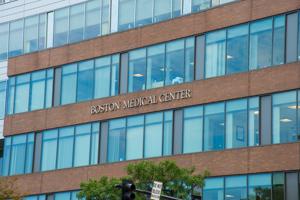
Crosstown Center
Thursday 9 a.m. to 4 p.m.
Related Departments and Programs
Developmental & Behavioral Pediatrics
Neurodivergent Urban Youth (NUY) Clinic
A program providing care for pediatric neurodevelopment disorders, including assessment, care planning, and family support.
The Grow Clinic for Children
Comprehensive Care Program (Pediatrics)
SOFAR
A pediatric care program offering addiction treatment with coordinated medical, counseling, and recovery support.

Education and Training
The EASE Clinic hosts graduate and undergraduate interns who support patient navigation, resource coordination, research, and program development. Interns gain hands-on experience at the intersection of healthcare, education, and health equity while contributing meaningfully to patient care.

Research Overview
Research in the EASE Clinic integrates developmental expertise within primary care and links families with education partners to help reduce the challenges families encounter in understanding special education eligibility and coordinating care across healthcare and educational settings. We aim to improve access to evaluations, accelerate service initiation, and enhance parent empowerment and advocacy, all to create integrated care approaches that intersect health, development, and education. Ongoing program evaluation measures outcomes such as successful navigation of special education eligibility, family satisfaction, and reductions in unmet service needs.