
Certified nurse-midwives (CNMs) at BMC provide expert care throughout pregnancy, birth, and the postpartum period. Our midwifery service also offers birth control and routine reproductive healthcare.
We recognize that pregnancy is both a natural process and a transformative experience. That’s why our care is personalized, respectful, and empowering, centered on the needs, values, and goals of each individual. In our work, we are deeply committed to serving BMC’s diverse community with compassion and cultural humility.
Location and Contact

Obstetrics and Gynecology Department

Dorchester (Codman Square)
Monday – Thursday, 8:30 a.m. to 8:30 p.m.; Friday, 8:30 a.m. to 5 p.m.; Saturday, 9 a.m. to 1 p.m.

East Boston
Monday – Friday, 8 a.m. to 5 p.m.
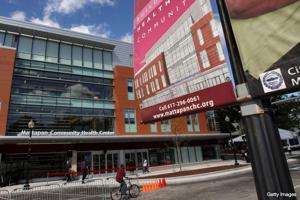
Mattapan
Monday – Thursday, 8 a.m. to 5 p.m.; Friday, 8:30 a.m. to 5 p.m.
Related Departments and Programs
Obstetrics
A department providing women’s reproductive healthcare and pregnancy-related services, including prenatal care and postpartum support.
Obstetrics and Gynecology
A department providing women’s reproductive healthcare and other OBGYN services, including pregnancy, fertility, and menstrual conditions.
Labor, Delivery, and Postpartum Care
Maternal-Fetal Medicine
Refugee Women’s Health Clinic

Education and Training
BMC midwives are faculty at the Boston University Chobanian & Avedisian School of Medicine, where we train medical students in OB/GYN clerkships; OB/GYN, family medicine, and emergency medicine residents; and nurse-midwifery students in outpatient settings. In addition, we are proud to support the launch of the first midwifery education program in the Boston area at Boston College.

Research Overview
Midwives at BMC participate in and lead a wide variety of research and quality improvement work. We focus in areas such as promoting vaginal birth after cesarean (VBAC), reducing primary cesarean rates, supporting Centering Pregnancy, using shared decision-making tools, improving breastfeeding outcomes, providing community-based labor support, and innovating postpartum care through mobile health.