

Navigate Your Diabetes with Confidence
If you are living with diabetes, you may have many questions about how to take care of your health. It’s not always easy, but you can play a big role in your diabetes care. There are lots of steps you can take to help manage your diabetes in your everyday life. At Boston Medical Center (BMC), our group of certified diabetes education care specialists are dedicated to helping you—and you can use the resources below as a guide.
Take Control of Your Diabetes

Eating Healthy

Mindful Exercise

Blood Sugar Monitoring

Medicine for Diabetes

Managing Complications

Mental Health Care
Quick Help for Blood Sugar Management
Get insights into what your symptoms could mean for your health and learn more about low, normal, and high blood sugar.
If you think you are experiencing a medical emergency, please call 911.
I Have Low Blood Sugar
I Have High Blood Sugar
I Feel Sick
Frequently Asked Questions
Our Dedicated Team
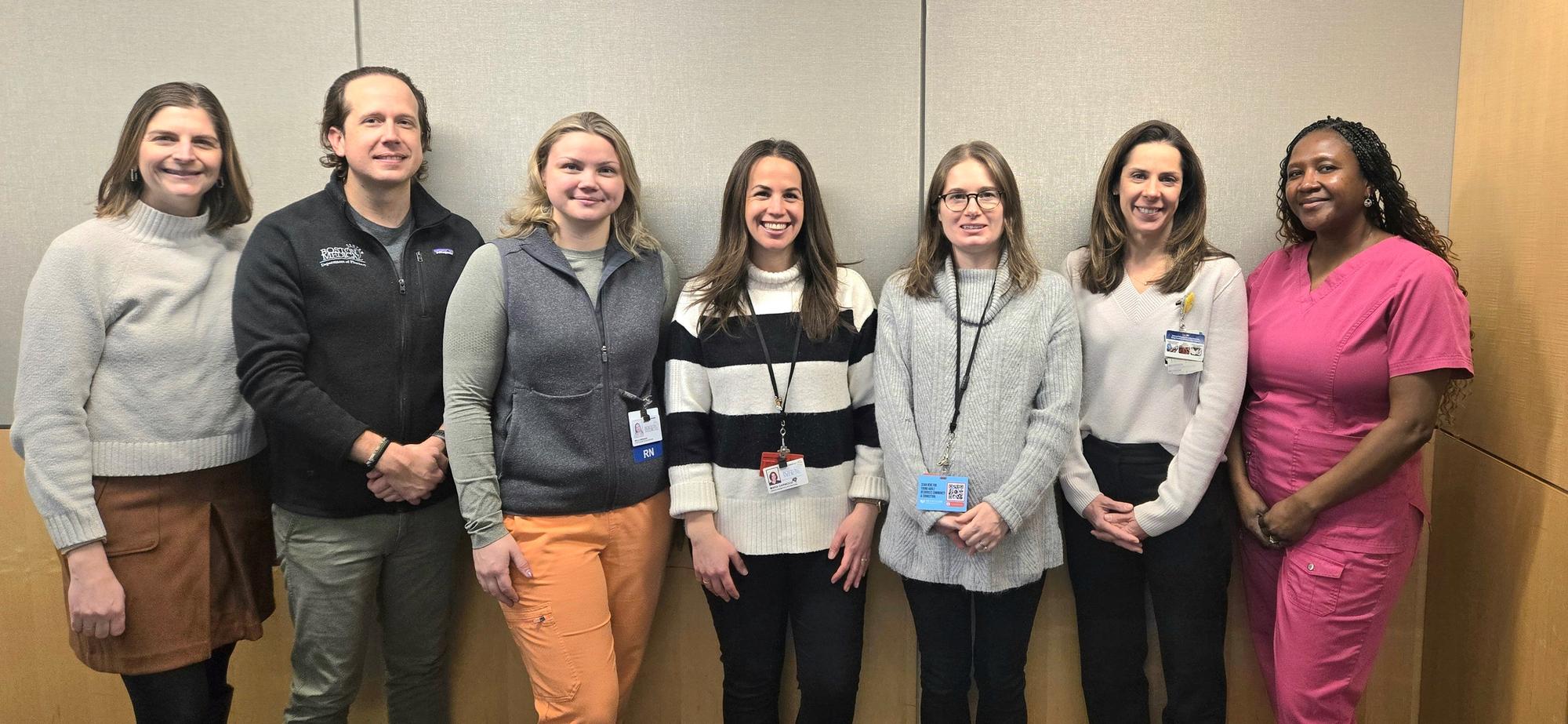
Diabetes Education team, from left to right: Katelyn O’Brien, PharmD-CDCES, Kyle Bertram, PharmD-CDCES, Molly Brennan, RN-CDCES, Mara Garwood, RD-CDCES, Corrine Aia, RD-CDCES, Elizabeth Brouillard, RD-CDCES, Sheicia Paul, RN-CDCES
The outstanding interdisciplinary team at BMC shares a commitment to helping you live life to the fullest. The team includes highly experienced diabetes specialists, nurse practitioners, certified diabetes educators (including nurses, pharmacists, and dietitians), and other specialists skilled in treating the complex needs of diabetes patients.

Diabetes Resource Book
Managing diabetes can feel overwhelming, but you don’t have to do it alone. Boston Medical Center has created a diabetes resource book to help you build healthy habits, learn key skills, and stay on top of your care.
Inside, you’ll find practical tips on everything from healthy eating and stress management to blood sugar monitoring and staying active.
Also available in: Español | Kreyòl Ayisyen | Português Brasileiro | Tiếng Việt
Explore the Resource Center
Diabetes information found on these pages should not replace education or instruction from your healthcare provider or certified diabetes educator. We encourage all patients to personalize their diabetes management in collaboration with their healthcare team.