
Chronic Obstructive Pulmonary Disease (COPD) Program
Resources for Patients
Keys to Successfully Managing Your COPD
Chronic Obstructive Pulmonary Disease (COPD) is a lung disease that makes it difficult to breathe. It is caused by damage to the lungs over many years and it gets worse over time.
COPD can’t be cured, but there are strategies you can use to reduce the symptoms:
- Keep your health on track overall. Keep your appointments, request your prescription refills on time, and get vaccinated against the flu every year.
- Ask your provider if you can get your medication and inhalers refilled automatically and delivered to your home.
- Tell your care team if you have any barriers that make it difficult to keep up with your health, like lack of food, inability to pay rent or utilities, lack of childcare, etc.
- Stop smoking. The Tobacco Treatment Center at BMC can help!
- Talk to your provider about ways to stay active and exercise safely.
- Make an action plan with your provider in case your breathing worsens.
- Take your inhalers as prescribed to stay ahead of exacerbations.
- The BMC pulmonary medicine team has recorded video tutorials in English and Spanish on the correct use of common types of inhalers.
- The COPD Foundation also offers helpful instructional videos on how to correctly use different inhalers and nebulizers.
- Practice breathing exercises to keep your lungs strong:
How BMC Works to Lower Your Risk of Readmission
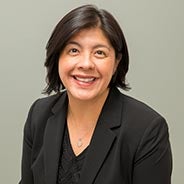
Alexis F. Gallardo Foreman, DNP, MSN, FNP-BC
Our COPD specialists include nurse practitioner Alexis F. Gallardo Foreman, DNP, MSN, FNP-BC, and community health worker Jinesa Howard, MPH. They work across hospital departments to reduce the chances that high-risk COPD and asthmatic patients will need to be readmitted to the hospital.
Patients are met at their bedside and educated about their disease, introduced to medications to help reduce flares, trained in the correct use of inhalers, and scheduled for a follow-up appointment with a pulmonary medicine care provider soon after their discharge. The team also works to lower barriers to care, such as lack of transportation, food insecurity, and unstable housing, with the end goal of reducing hospital readmissions.
Alexis and Jinesa are also both trained Tobacco Cessation Specialists who also offer smoking cessation education and recommendations for nicotine replacement therapy.