
When your child has a head injury, whether from sports or everyday play, BMC's Concussion Clinic for Children is here to help with evaluation and treatment of children from infancy through age 18, or age 22 for college students. We know time is critical following any sort of head trauma, so our clinic is open for those without appointments to get your child seen by concussion specialists as quickly as possible.
Location and Contact
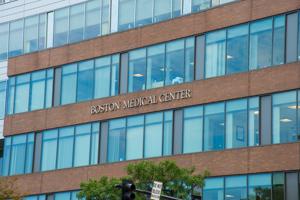
Pediatrics Department
Monday – Friday, 8 a.m. to 4 p.m.
Fax: 617.414.4502
Related Departments and Programs
Neurology (Pediatrics)
A program providing child neurology care for conditions affecting the brain, spine, and nervous system in children.
Pediatric Care
Ear, Nose, and Throat (Otolaryngology)
A department providing ear, nose, and throat care for hearing, sinus, allergy, and voice disorders.
Neuropsychology
Evaluation and care from a neuropsychologist to assess memory, thinking, and behavior and diagnose neurological and cognitive conditions.
Neurosurgery
A department providing neurosurgical surgery and care for conditions affecting the brain and nervous system.
Ophthalmology
A department providing eye care from eye specialists, including treatment for cataracts, glaucoma, dry eye, and other vision conditions.
Orthopedic Surgery
A department providing orthopedic care, including joint replacement, spine care, trauma care, sports medicine, and pediatric orthopedics.
Physical and Occupational Therapy
A department providing physical therapy, occupational therapy, and sports rehab to support recovery and mobility and improve function.
Psychiatry (Pediatrics)
Sports Medicine

Education and Training
The Concussion Clinic offers a comprehensive, multidisciplinary educational experience tailored to medical students, pediatric and neurology residents, and clinical fellows. Rotators receive rigorous clinical training in the acute evaluation and long-term management of pediatric and adolescent concussions, mastering individualized return-to-learn and return-to-play protocols, neurocognitive assessments, and post-concussion syndrome therapeutics. For trainees seeking advanced specialization, formal fellowship training pathways can be pursued in close coordination with the adult neurology sports medicine group, ensuring a seamless continuum of educational and clinical expertise across the lifespan.

Research Overview
Our research spans a comprehensive range of TBI-related topics, from the definition, classification, epidemiology, management, prevention, and prognosis in children. This includes factors affecting patient follow-up, return-to-school protocols, and sports-related concussion management; use of the Maddocks questionnaire in other languages; disparities in testing; and the implementation of concussion regulations in schools, alongside the long-term effects of early exposure to contact sports.