
The BMC Office Based Addiction Treatment (OBAT) Program, also known as the "Massachusetts model," is the pioneer in addiction treatment integrating nurse care managers into primary care settings. This national model specializes in substance use disorder treatment that also addresses medical needs. OBAT treats patients with state-of-the-art evidence-based medications and therapies for substance use while addressing social determinants of health, prevention, self-care, and primary medical needs. BMC OBAT is the largest hospital-based addiction treatment program in New England and continues to be recognized nationally and replicated within many outpatient settings.
Lokal ak kowòdone yo
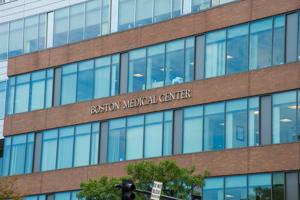
Swen Prensipal pou Granmoun
Monday, 9 a.m. to 7:30 p.m., Tuesday, 8 a.m. to 7:30 p.m.; Wednesday, 9:30 a.m. to 7:30 p.m.; Thursday, 8 a.m. to 5:30 p.m.; Friday, 9 a.m. to 5 p.m.
Depatman ak Pwogram ki gen rapò
Swen Prensipal pou Granmoun
Pwogram Tretman Sikyatri pou Adiksyon
An outpatient clinic that provides care for people diagnosed with both a substance use disorder and a mental health condition.
Pwogram Tretman Depandans
Klinik CATALYST
A primary care program offering adolescent substance use services and adolescent addiction treatment with medical care and counseling support.
Medsin familyal
Yon depatman ki bay swen prensipal pou sipòte pasyan tout laj, ki gen ladan swen adilt ak pedyatri, sante fanm, ak sante konpòtman.
PWOJÈ RESPECT
Yon pwogram swen prenatal ki ofri tretman medsin adiksyon ak sante konpòtman ak sipò pou moun ansent ki gen medsin adiksyon ak maladi itilizasyon sibstans.

Grayken Center Training and Technical Assistance Program
The BMC Grayken Center for Addiction Training and Technical Assistance (TTA) program, formerly known as BMC OBAT TTA, supports providers across the state in implementing the OBAT model of addiction treatment into their own organizations. The Grayken Center for Addiction TTA has helped to expand treatment for substance use disorders across the state, particularly in underserved areas and low-income communities, and staff are frequently invited to consult for governmental, health, and social service agencies across the country. In addition, various learners complete clinical rotations or shadow at OBAT, including nurses, medical students, medical residents, and fellows.