
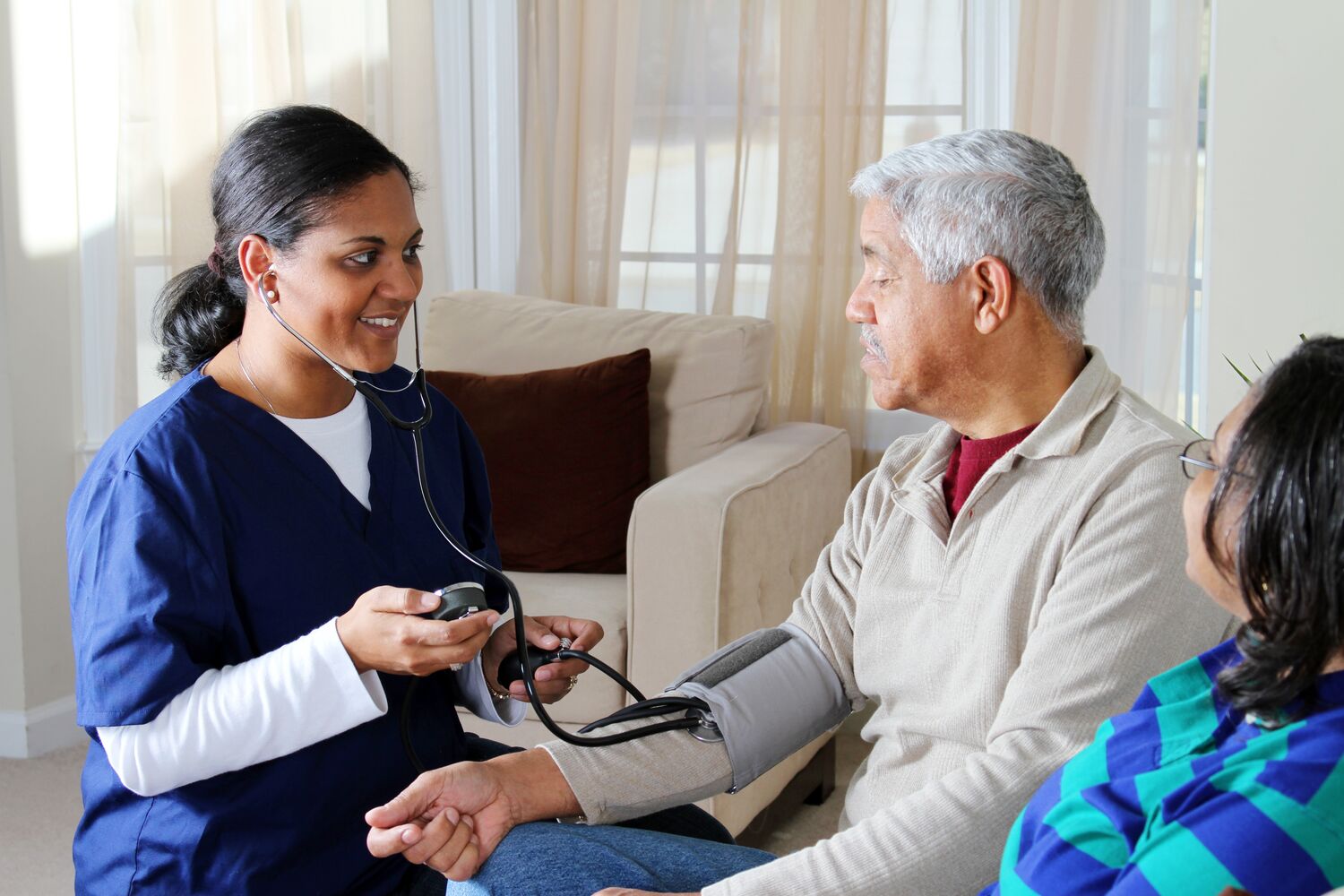
Try to stay aware of your blood pressure. You can lower your risk for stroke by keeping your blood pressure within a healthy range.
Observed every October 29, World Stroke Day is a global call to action for stroke awareness and prevention. A stroke occurs when blood flow to part of the brain is blocked or reduced, depriving brain tissue of oxygen and nutrients.
Stroke is one of the leading causes of death and long-term disability worldwide. In the United States alone, more than 600,000 people experience their first stroke each year.
However, according to the American Heart Association (AHA), up to 80 percent of strokes are preventable through proactive care and lifestyle changes.
This year, as part of Boston Medical Center’s ongoing commitment to spreading education and awareness, we are highlighting the AHA’s Life’s Essential 8™—a set of eight key behaviors that support long-term cardiovascular and brain health.
The AHA’s Life’s Essential 8™
The AHA’s Life’s Essential 8™ outlines simple, actionable steps that make a powerful difference in reducing the risk of stroke, heart disease, and even dementia.
“Even if you’re in your fifties or sixties and you’re just hearing about this for the first time, you can still make meaningful changes,” saysJosé R. Romero, MD, a specialist in stroke care at BMC and an associate professor of neurology at the Boston University Chobanian & Avedisian School of Medicine.
The eight key behaviors focus on self-care and healthy habits, as well as knowing (and managing) your health numbers:
- Eat better: Choose a heart-healthy diet with more fruits, vegetables, whole grains, and lean proteins—and less salt and added sugar.
- Be more active: Aim for at least 150 minutes of moderate aerobic activity per week.
- Reduce tobacco use: Consider joining a smoking cessation program. The benefits of reducing or quitting smoking are immediate and long-term, including helping to lower your risk of stroke.
- Get healthy sleep: Aim for seven to nine hours of quality sleep each night.
- Manage weight: Maintain a healthy weight to reduce the strain on your heart and blood vessels.
- Control cholesterol: Prevent blocked arteries and reduce stroke risk by keeping cholesterol levels in check.
- Manage blood sugar: Protect your blood vessels by maintaining healthy blood sugar levels.
- Monitor blood pressure: Lower your risk for stroke by keeping blood pressure within a healthy range.
"As few as 50 percent of Americans with hypertension know they have high blood pressure," says Romero. "Here's the homework I'm giving you: Know your blood pressure. If it's not in your doctor-informed target range, see your primary doctor for treatment."
Recognizing Stroke Symptoms: BE FAST
In addition to prevention, early detection of stroke symptoms can save lives and prevent lasting damage. Romero warns that one of the most dangerous things you can do during a stroke is to "sleep it off."
"When a stroke happens, symptoms come on suddenly," he explains. "And we can treat many patients, but only if they come in early. If they're delayed in getting help, not only can the stroke get worse, but they may miss the window to be treated and to get better."
A simple acronym, “BE FAST,” can help you remember the signs of a stroke:
- B — Balance: Sudden loss of balance or coordination
- E — Eyes: Sudden vision changes in one or both eyes
- F — Face: One side of the face droops when smiling
- A — Arms: Arm weakness or numbness, especially on one side
- S — Speech: Slurred speech or difficulty speaking
- T — Time: Time to call 911 immediately
BMC’s Commitment to Stroke Care
At BMC, we’re here to help at the first sign of stroke. BMC is proud to be named by U.S. News & World Report as one of the top 50 hospitals in the nation for Cardiology, Heart & Vascular Surgery, and Neurology & Neurosurgery.
In addition, our Stroke and Cerebrovascular Center is certified as a Comprehensive Stroke Center by The Joint Commission—a global driver of quality improvement and patient safety in healthcare—reflecting our excellence in advanced stroke care.