
Overview
The Pediatric Pain Clinic at Boston Medical Center manages acute, complex, and chronic pain in children from infancy to age 22. Our team of experts work closely with each patient's primary care physician, striving to help children regain normal lives and participate in typical age-appropriate activities.
At BMC, we recognize that pain affects all areas of a child or adolescent's life, which can lead to decreased physical activity, social isolation, and can fuel the cycle of chronic pain. Pain impacts relationships, school experience, and family life. An interdisciplinary team approach to pain management is essential in breaking the cycle of chronic pain. The Pediatric Pain Clinic is able to treat a wide variety of conditions, and offer a variety of specialized therapies. Each patient is given a personalized pain management plan to best fit his or her needs. Strategies and parenting support are also offered for families who may travel a long distance to receive this specialized care. The team communicates with schools and outside providers to ensure comprehensive and collaborative care.
Commonly Treated Conditions
- Chronic musculoskeletal pain including:
- Complex regional pain syndrome
- Pain related to Sickle Cell Disease
- Other types of musculoskeletal pain
- Chronic headache
- Chronic abdominal pain
- Pain associated with chronic illnesses
- Any other distressing, painful condition
Services
- Cognitive and behavioral strategies for managing pain
- Coping strategies such as progressive muscle relaxation, guided imagery, biofeedback, hypnosis, and self-regulation
- Education and support around managing chronic pain
- Integrative medicine
- Massage therapy
- Medications
- Mindfullness
- Physical therapy
- Reflexology & Aromatherapy
- Rheumatologic services, including trigger point injections
- Yoga & Karate classes
Is Your Child in Pain? Look to BMC’s Pediatric Pain Clinic
Contact Us
Monday, Wednesday, Friday: 8:00 AM - 5:30PM Tuesday, Thursday: 8:00 AM - 8:00 PM

Our Team
Caitlin M. Neri, MD, MPH
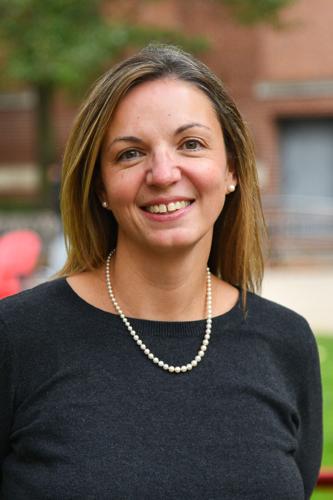
Laura J. Goldstein, PsyD
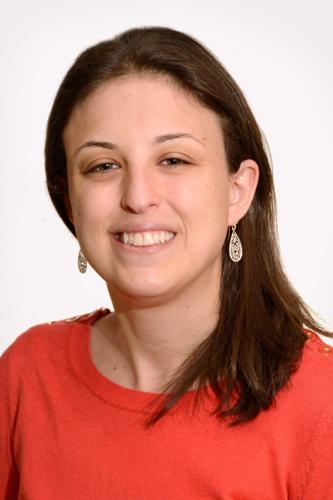
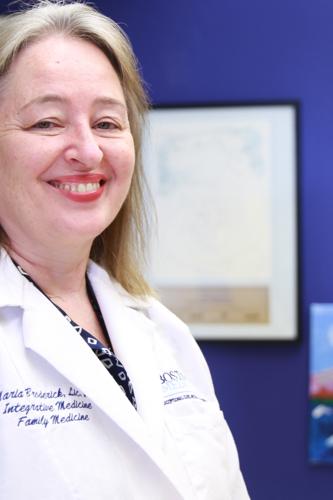
Yasmine H. Elhefnawy, MD, FAAP
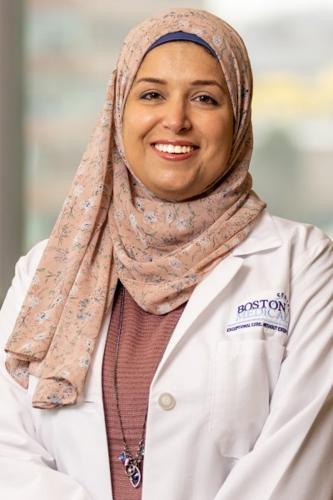
Christine Naoum-Heffernan, CPNP
Nurse Educator
617.414.4841
Alysse Ferranto, DPT