
Our Team | |
|
|
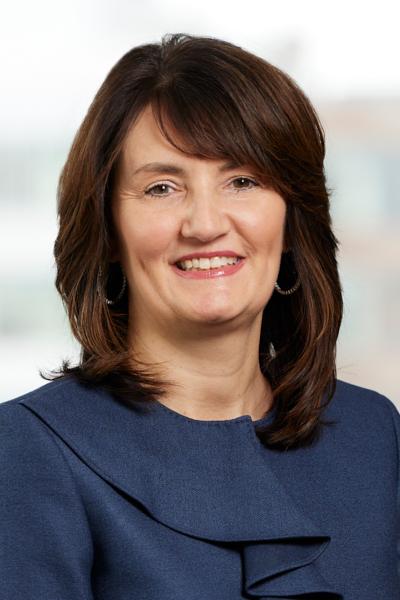
Laurie Douglass is a Massachusetts native who earned her medical degree from Tufts University School of Medicine. Her love for neurology began at Boston University, where she studied physical therapy. “The patients I met as a physical therapist taught me the importance of listening to patients and families,” she says. “Careful listening is important [for diagnosis and even more important for healing. I fell so in love with neuroscience and neurology that I decided to pursue a career in medicine.” Dr. Douglass completed her training in pediatrics at Boston Medical Center and in pediatric neurology at Tufts-New England Medical Center. “Pediatric neurology is an exciting field,” says Dr. Douglass. “Children are incredibly resilient to neurological illness. The plasticity of the brain is remarkable. The child neurologist’s challenge is to minimize any injury from illness and facilitate the recovery process.” When Dr. Douglass completed her pediatric neurology training, there were many new treatments on the horizon for persons with epilepsy. “The care of people with epilepsy has changed tremendously over the past 10 to 15 years,” she says. “We no longer treat all seizures in the same way. Care must be individualized, specifically targeting each epilepsy syndrome and weighing treatment benefits with risks, with the whole child in mind.” Dr. Douglass went on to pursue a fellowship in pediatric epilepsy and EEG at Tufts-New England Medical Center where she later served as Clinical Director of the Epilepsy Center for Children. She is currently the Director of Pediatric Epilepsy and EEG at Boston Medical Center and oversees pediatric EEG testing, the inpatient long-term monitoring unit and the outpatient ambulatory monitoring program. She has implemented vagal nerve stimulator and ketogenic diet programs and has greatly expanded the outpatient pediatric epilepsy program. The Division of Child Neurology at Boston Medical Center believes that optimal tertiary care requires a balance of clinical care, teaching and research. Dr. Douglass’s special teaching expertise and areas of research interest include seizures in the newborn, childhood epilepsy syndromes, women’s issues in epilepsy, periodic movement disorders, the ketogenic diet, and the epileptic encephalopathies. Academic CredentialsAdministrative Title: Academic Appointment: Residency: Post Residency: Board Certification: Special Interests: |


