
The Nutrition and Weight Management Program at Boston Medical Center is an integral part of the Center for Endocrinology, Diabetes, Nutrition and Weight Management. The Center offers state-of-the-art diagnostic and treatment services for nutritional disorders and weight management for adults age 18 and older.
Obesity is a chronic and complex disease with multiple therapeutic options. The Medical Weight Management Team supports all people seeking comprehensive care for obesity. We include a team of obesity medicine physicians, bariatric surgeons, endocrinologist, nurse practitioners, clinical social worker, and registered dieticians who specialize in a comprehensive, knowledgeable, empathetic, and personalized approach to each patient.
Our commitment is to long term meaningful weight loss success .We incorporate the spectrum of interventions including lifestyle interventions, medically supervised weight loss plans with pharmacotherapy and weight loss surgery. Our commitment is each individual and their needs; providing care without exception.
Contact Us
Programs and Services
Medical Nutrition Therapy
Medical Weight Management
Weight Loss (Bariatric) Surgery
Malnutrition and Nutrition Support
Our Team
Providers
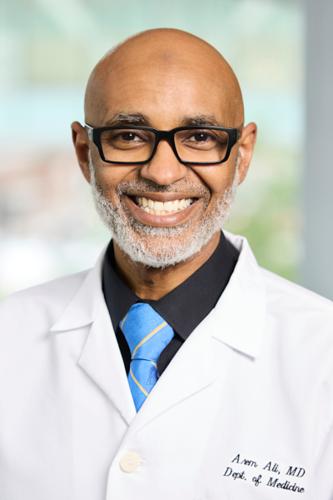
Asem H. Ali, MD
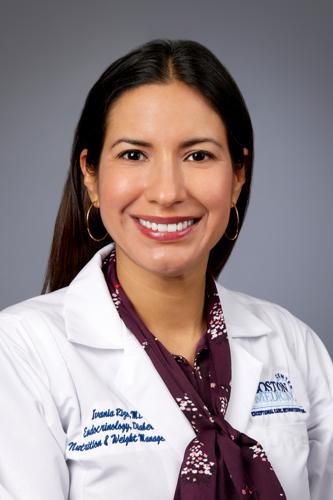
Ivania M. Rizo, MD
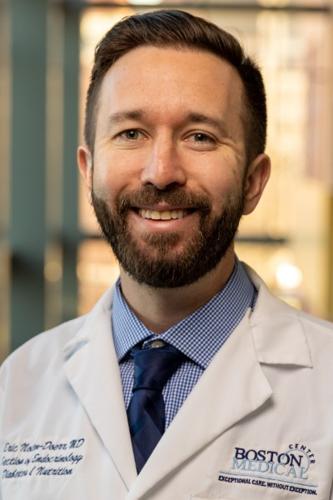
Eric Nolen-Doerr, MD
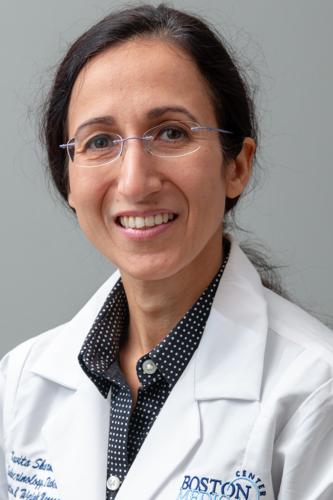
Kavita Sharma, MD
Joelle Sulistio, MSN-FNP
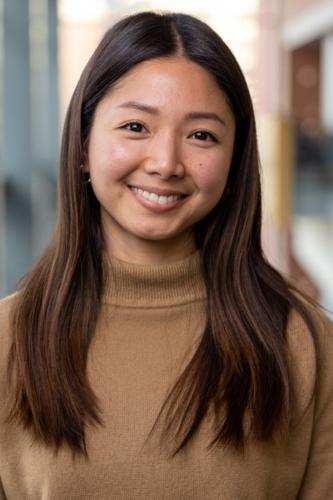
Denise H. Wong, MD
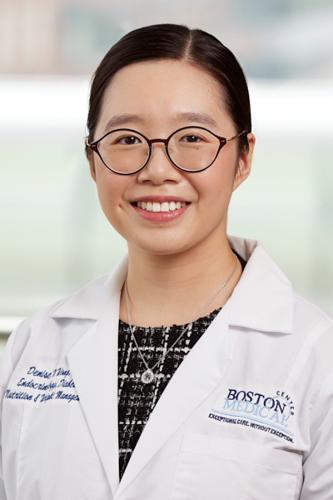
Catherine Lobo Galo, NP
Kristen Spain, NP
Tina Yiu, NP
Registered Dietitians
Joanne Keaveney
Jessica Peters
Sarah Veber
Research Support Staff
Astrid Atakov Castillo
Robert Seitter
Asya Sullivan
Patient Resources
To be seen by a member of our team you will need a referral from your primary care physician (PCP) with a medical diagnosis.
If your PCP is located on the BMC campus or at an associated community health center using Epic, referrals to the Nutrition and Weight Management Center can be placed through Epic.
Otherwise, referrals can be faxed to the BMC Referral Center at (617) 638-6756.
Our office will contact you upon receipt of the referral. Your health insurance may cover or partially cover medical nutrition therapy; however, some insurance plans do not cover visits with a dietitian or will only cover visits for patients with a specific diagnosis. Please contact your insurance company to learn details about your specific coverage.
Please do not hesitate to contact our clinic at (617) 638-7470 for assistance with the referral process.
Provider Resources
Free Virtual Patient Orientation Session
For most weight management patients, the first appointment will be a virtual group class taught by one of the Registered Dietitians. The class will introduce eating strategies to help you make sustainable lifestyle changes. Following the virtual class, patients will meet with an obesity medicine specialist and dietitian individually to assess immediate and long-term nutrition needs and create an individualized plan. This plan will take into account any potential medical issues, as well as personal lifestyle choices. Subsequent appointments will be scheduled as needed to assess progress, provide support and additional counseling, or to modify the plan.
Research Overview
Our weight management and nutrition team is actively engaged in research including obesity and fatty liver disease and therapies for short bowel syndrome. We provide many opportunities for patients to participate in clinical trials.
Education and Training
Our Nutrition and Metabolic Disease fellowship is a one year training program focusing on obesity medicine and clinical nutrition support. The training applies evidence-based medicine while supporting continuity and access to care for a diverse population. Fellows will have training in the multifaceted management of obesity including lifestyle based therapy, pharmacotherapy, and pre- and post-operative assessment and management of adult patients accessing bariatric surgery treatment. Additionally, they will gain experience in nutrition support care that includes inpatient and outpatient management of malnutrition, enteral nutrition, and total parenteral nutrition (TPN). We invite you to learn more about our program.