

Lung cancer and other cancers of the thorax often require a combination of treatment types. That’s why our care team brings together experts across specialties, including surgery, radiology, pulmonology, and more. These experts work together—and with you—to provide personalized, compassionate, and innovative care for all types of thoracic cancer.
Location and Contact

Cancer Center
Monday–Friday 8 a.m. to 5 p.m.
Related Departments and Programs
Cancer Center
An oncology department providing a full spectrum of cancer care, including diagnosis, treatment planning, and supportive care.
Lung Cancer Screening and Lung Nodule Evaluation Program
A program providing lung cancer screening and evaluation of lung nodules with imaging and follow-up care to support early detection.
Radiation Oncology
A department providing advanced radiation oncology therapy to treat cancer with targeted, personalized care.
Thoracic Surgery
“I couldn’t help but feel warmth and compassion from him,” she said. “It was not about him being the doctor to do the surgery, it was about him being human to me. I felt so safe in the operating room.” Eunice MuasyaLearn More about Eunice

Cancer Center Services
Patient Support Services
Cancer Genetics
Medical Oncology
Surgical Oncology
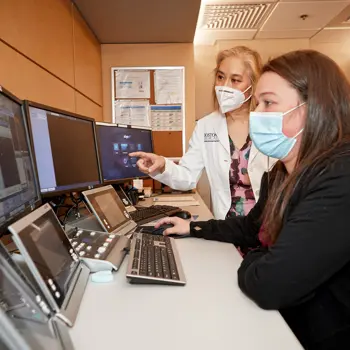
Hematology/Oncology Fellowship Program
Hematology/oncology fellowship trainees at Boston Medical Center join the thoracic cancer program clinics for a rotation. This helps them gain insight into thoracic oncology as a specialty.
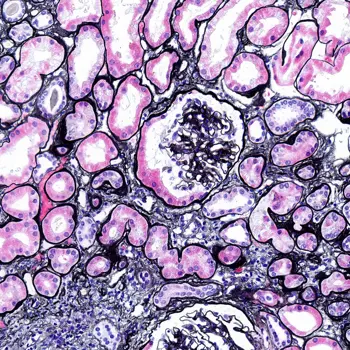
Thoracic Cancer Research Overview
The Thoracic Cancer Program at Boston Medical Center conducts world-class clinical research and trials. Our faculty are internationally recognized for contributions to research and have been at the forefront of developing new approaches to the study and treatment of thoracic cancers, such as esophageal cancer, non–small-cell lung cancer, and small-cell lung cancer.